Funland An AI Comic
An exploration of generative AI image creation in comic book form — and a hard look at what generative tools can, and can't, do for a solo creative.
I took this project on fully aware of how divisive AI image generation is — I wanted to know, as a cartoonist and illustrator, what dipping into the technology could actually teach me. What I got was a fast education in what generative tools can, and can't, do, plus a good excuse to practice scriptwriting and visual storytelling.
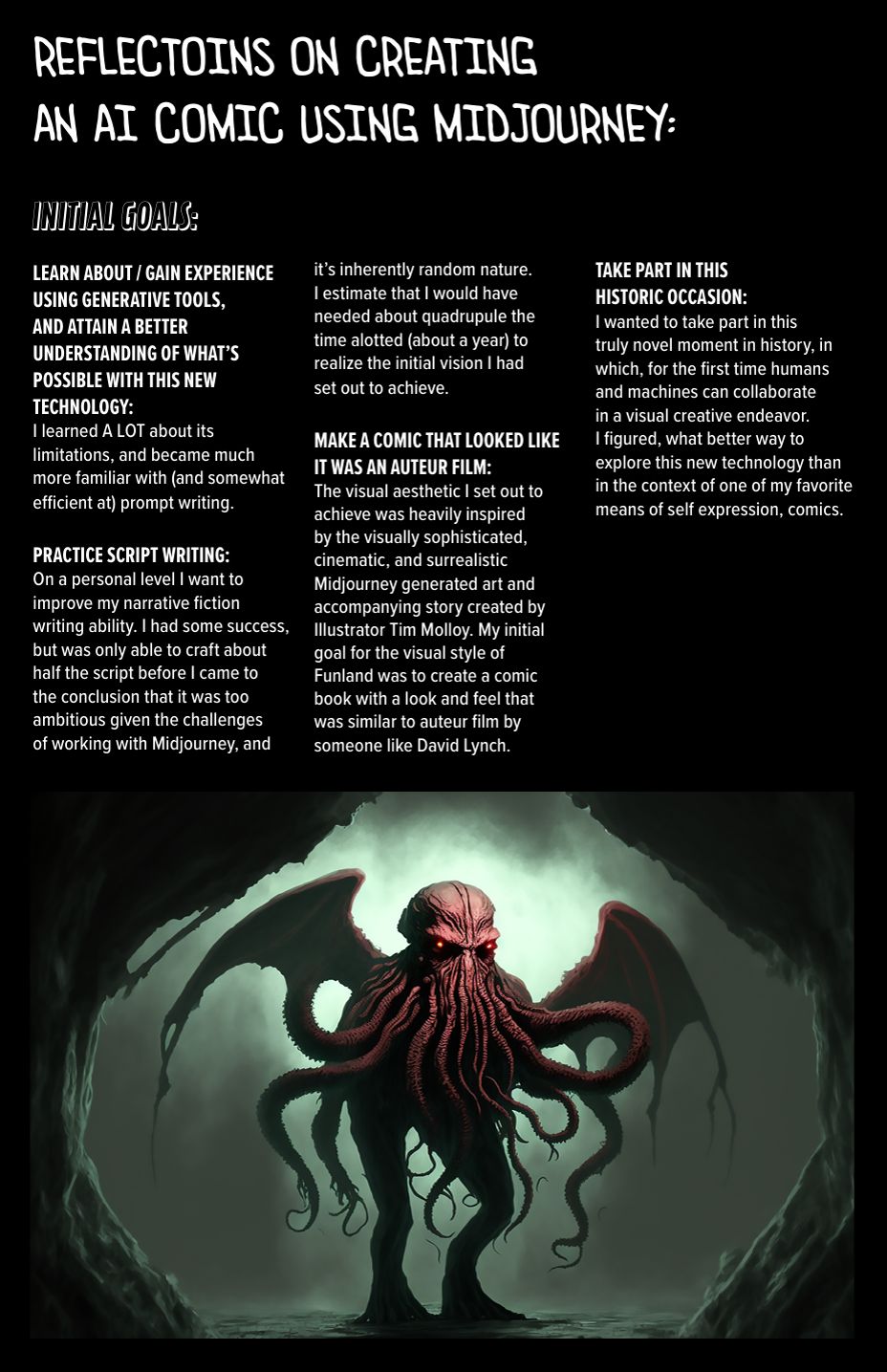
The brief I set for myself had two parts: figure out how a designer folds a fast-moving, ethically loaded technology into their workflow without cutting corners on craft, and find out what generative AI actually unlocks for a solo creative that wasn't possible before.
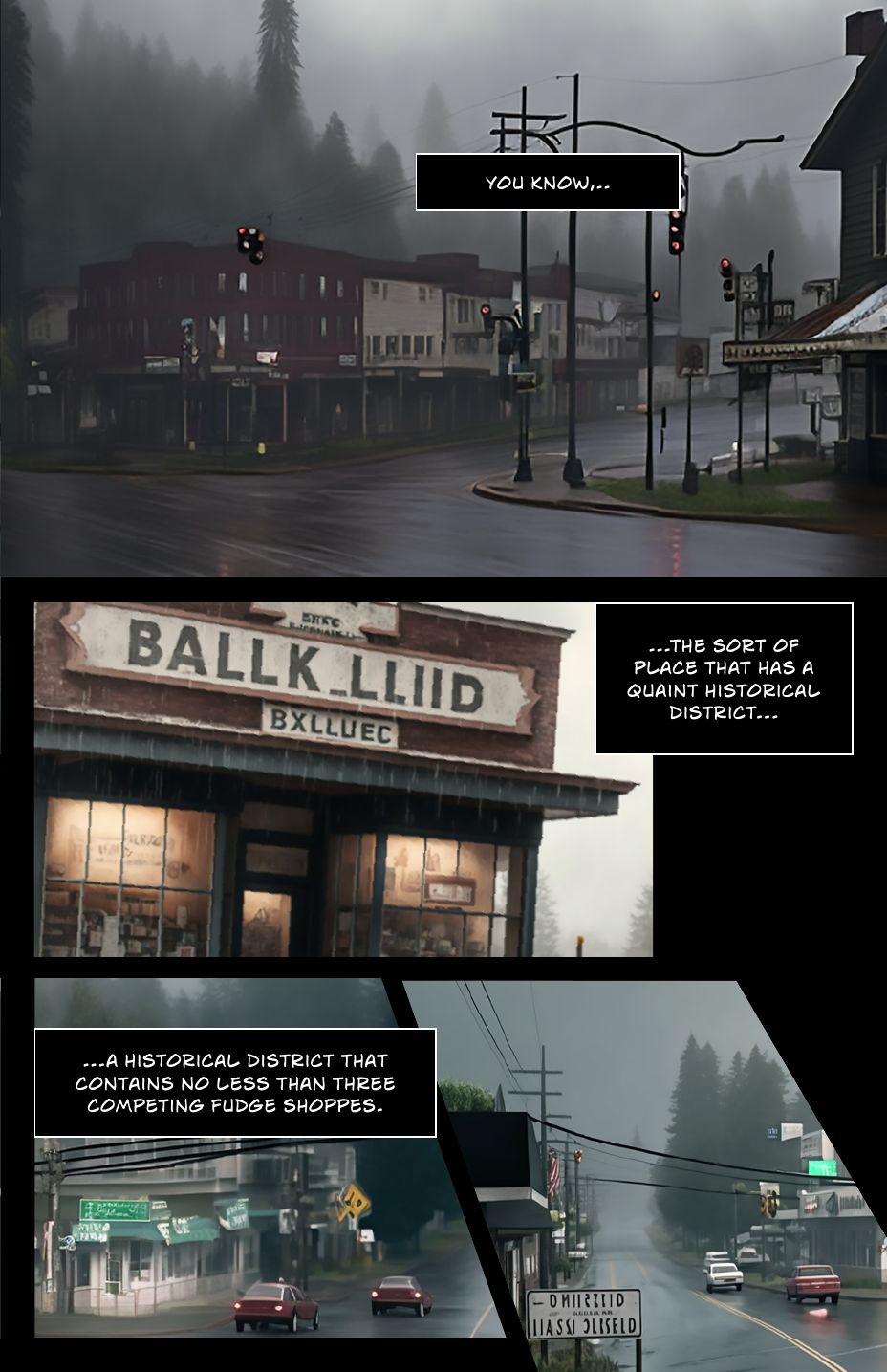
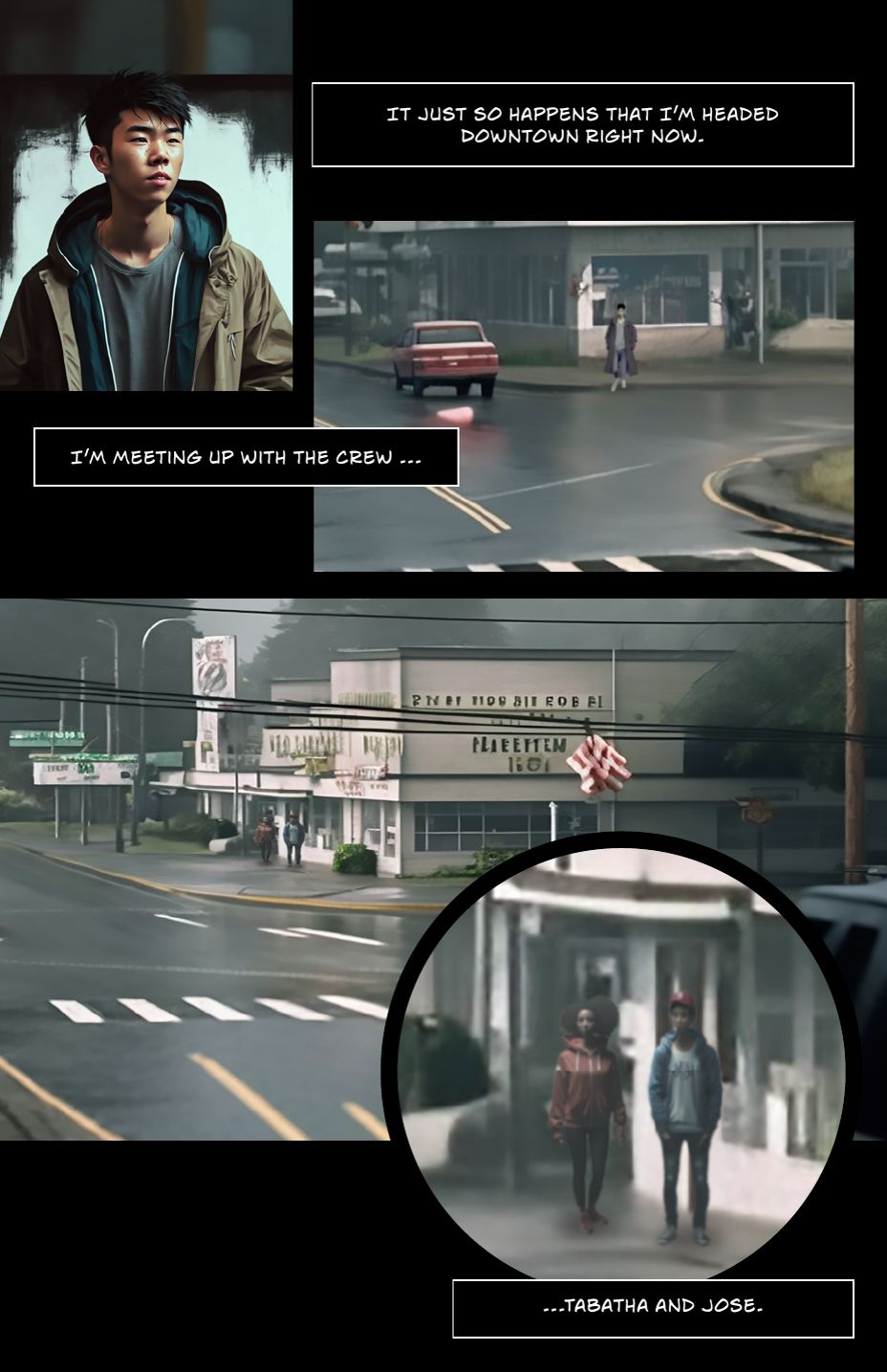
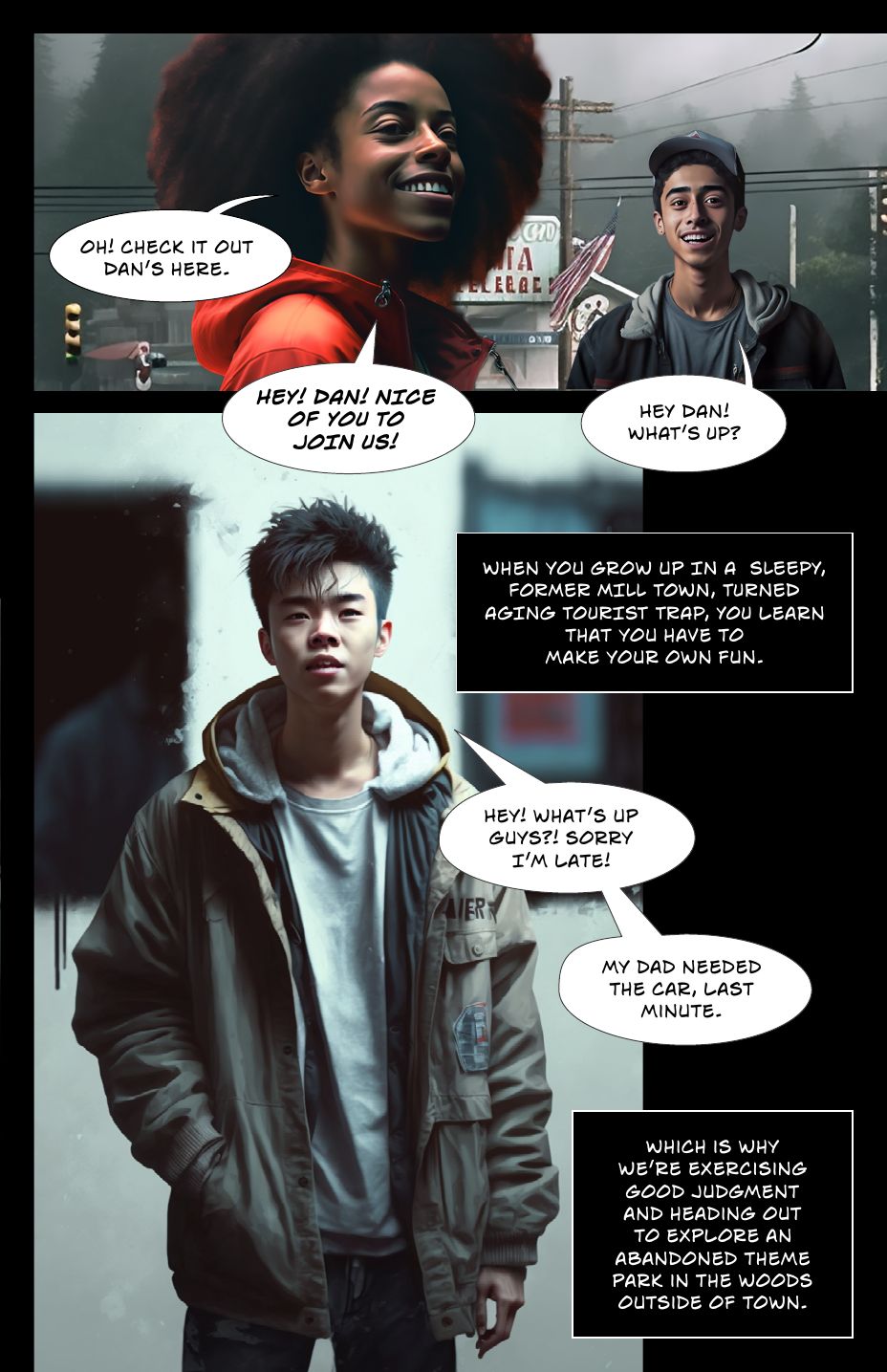
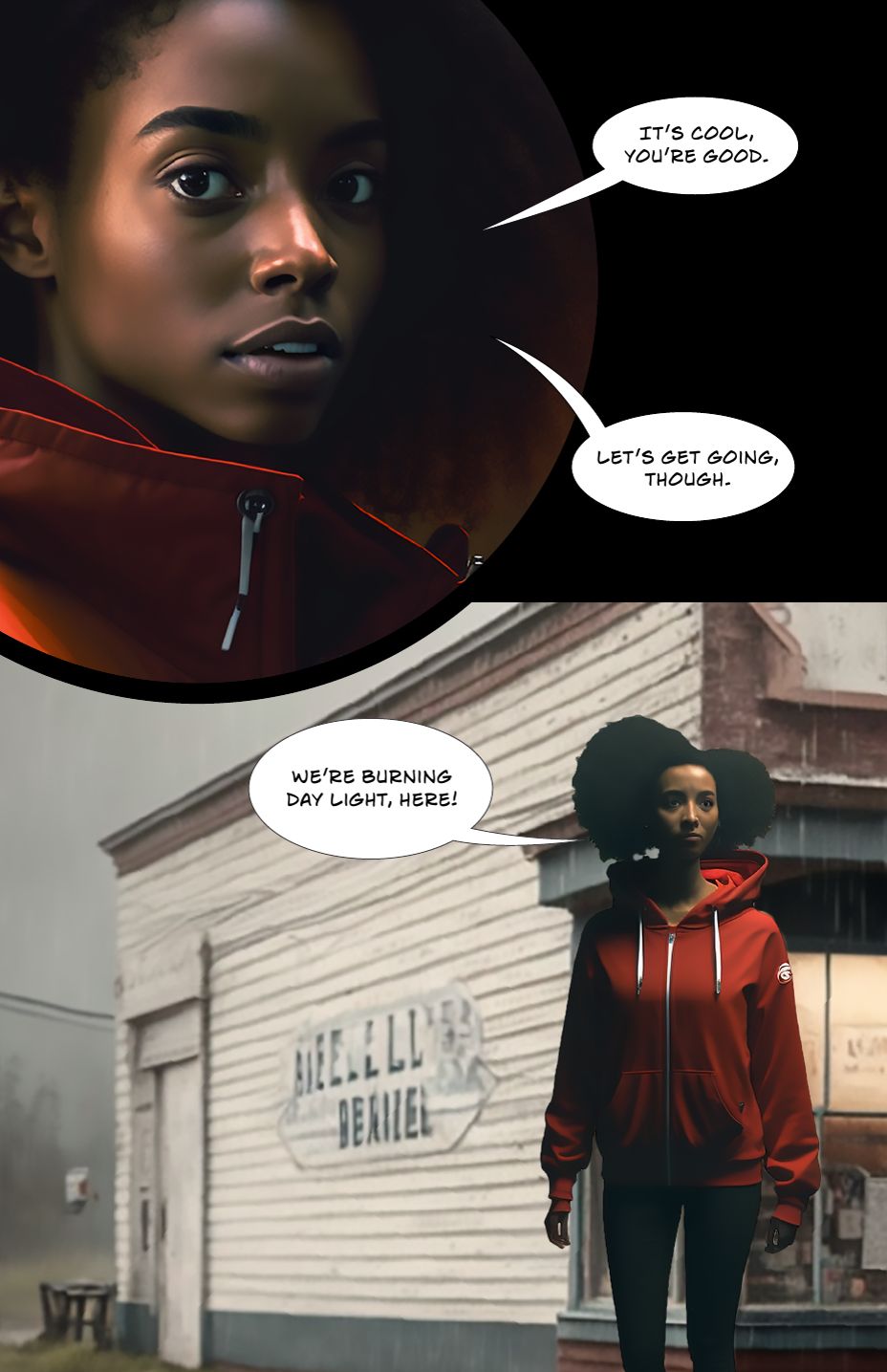
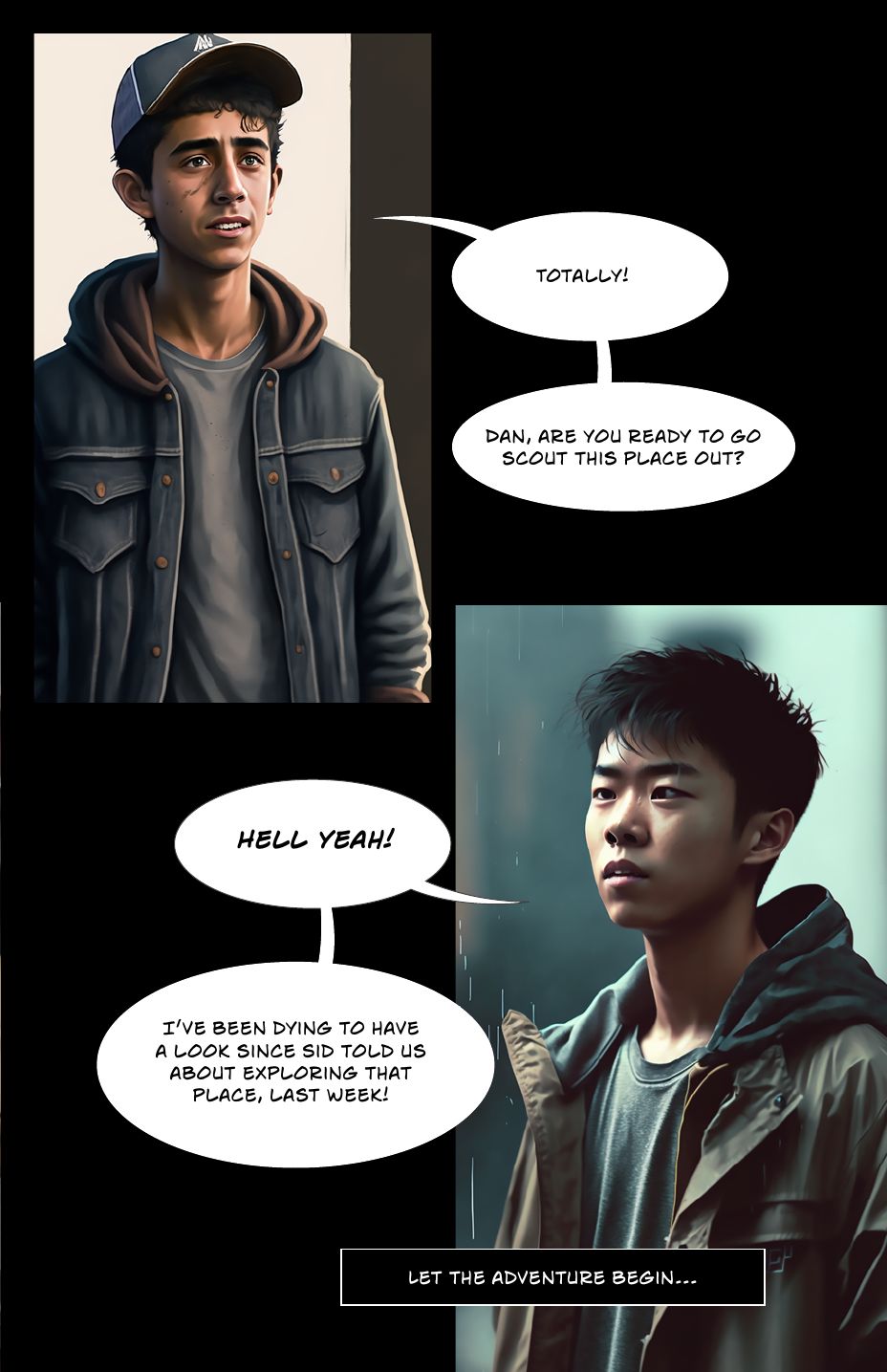
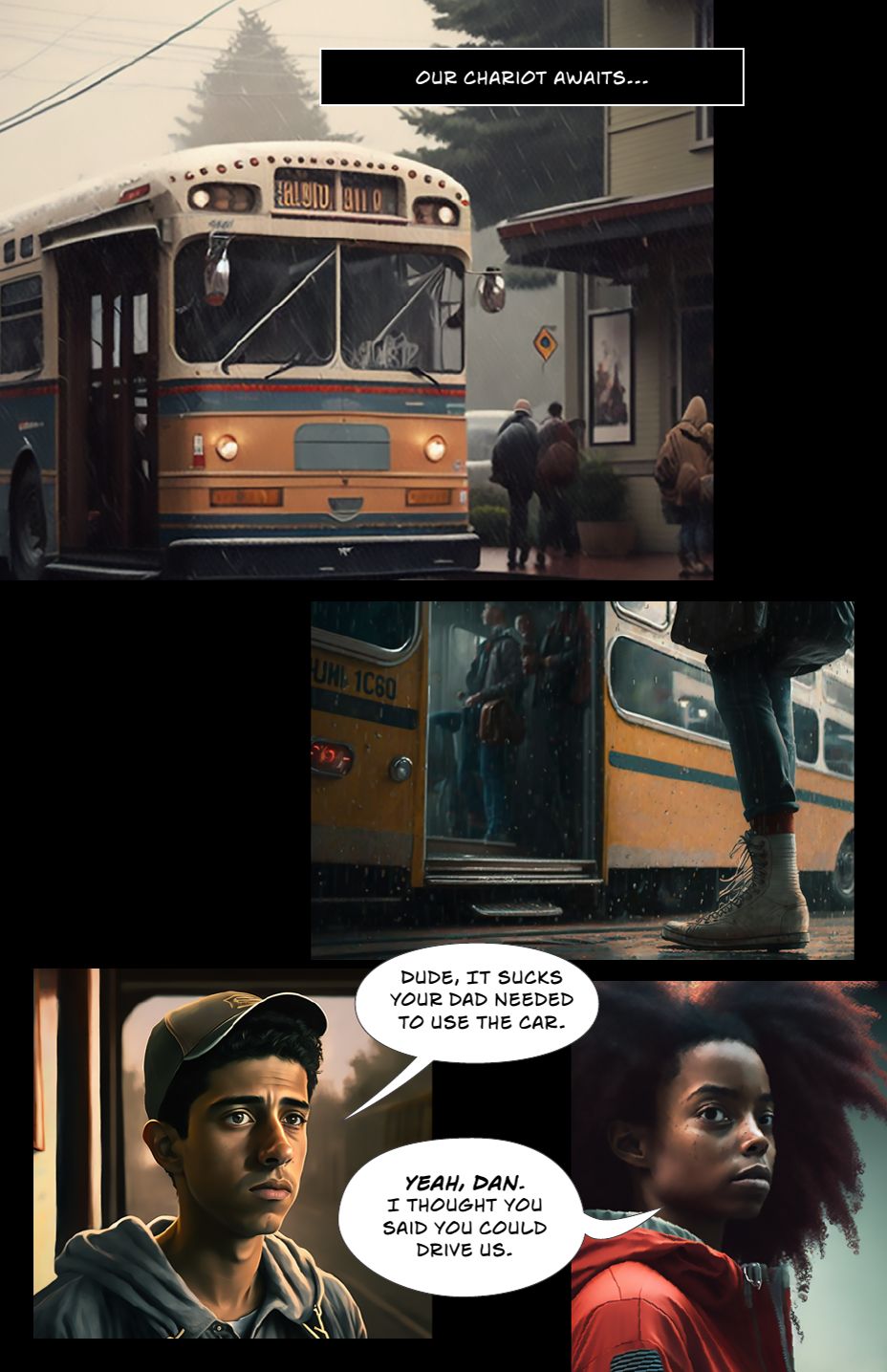
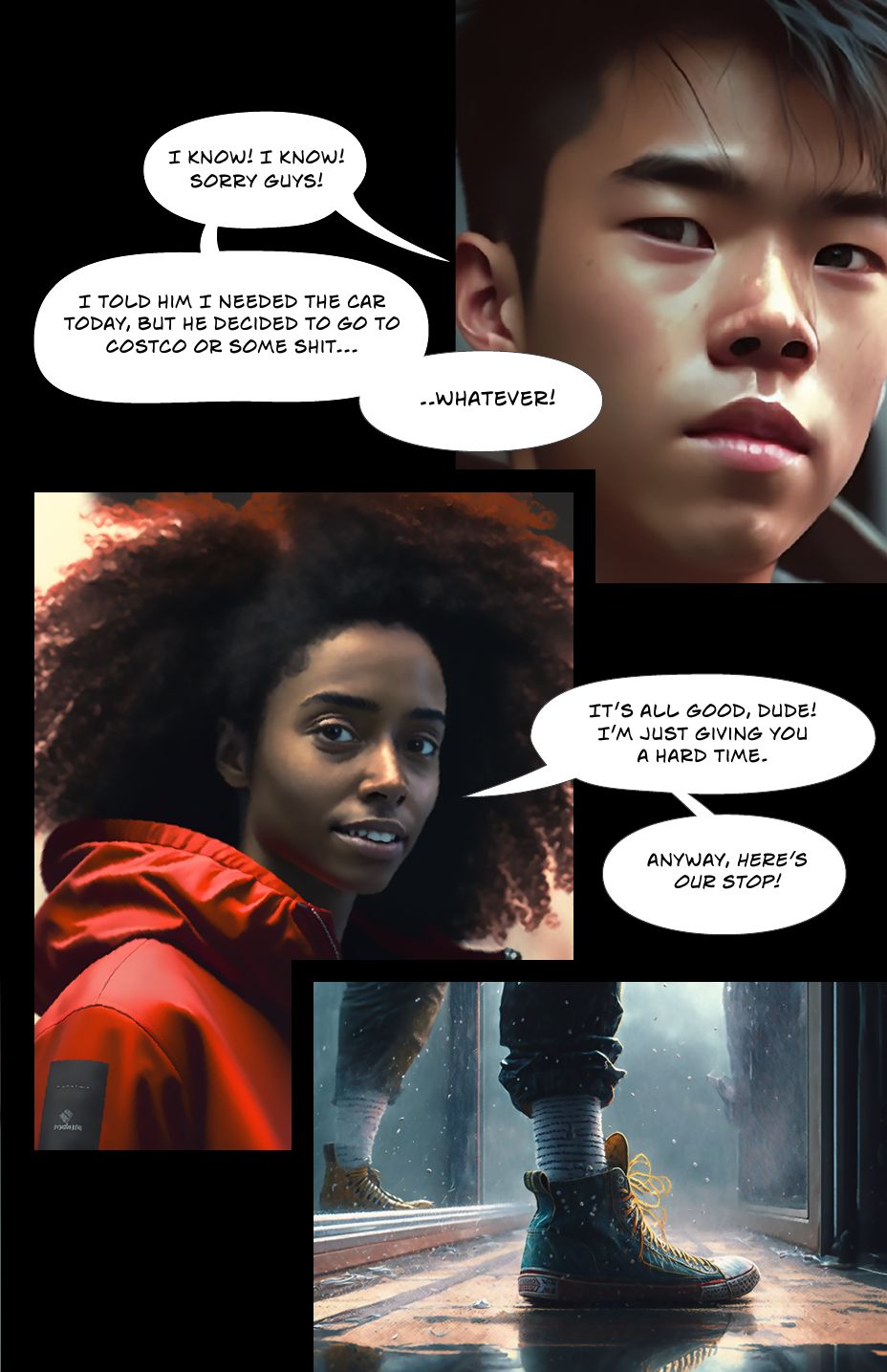
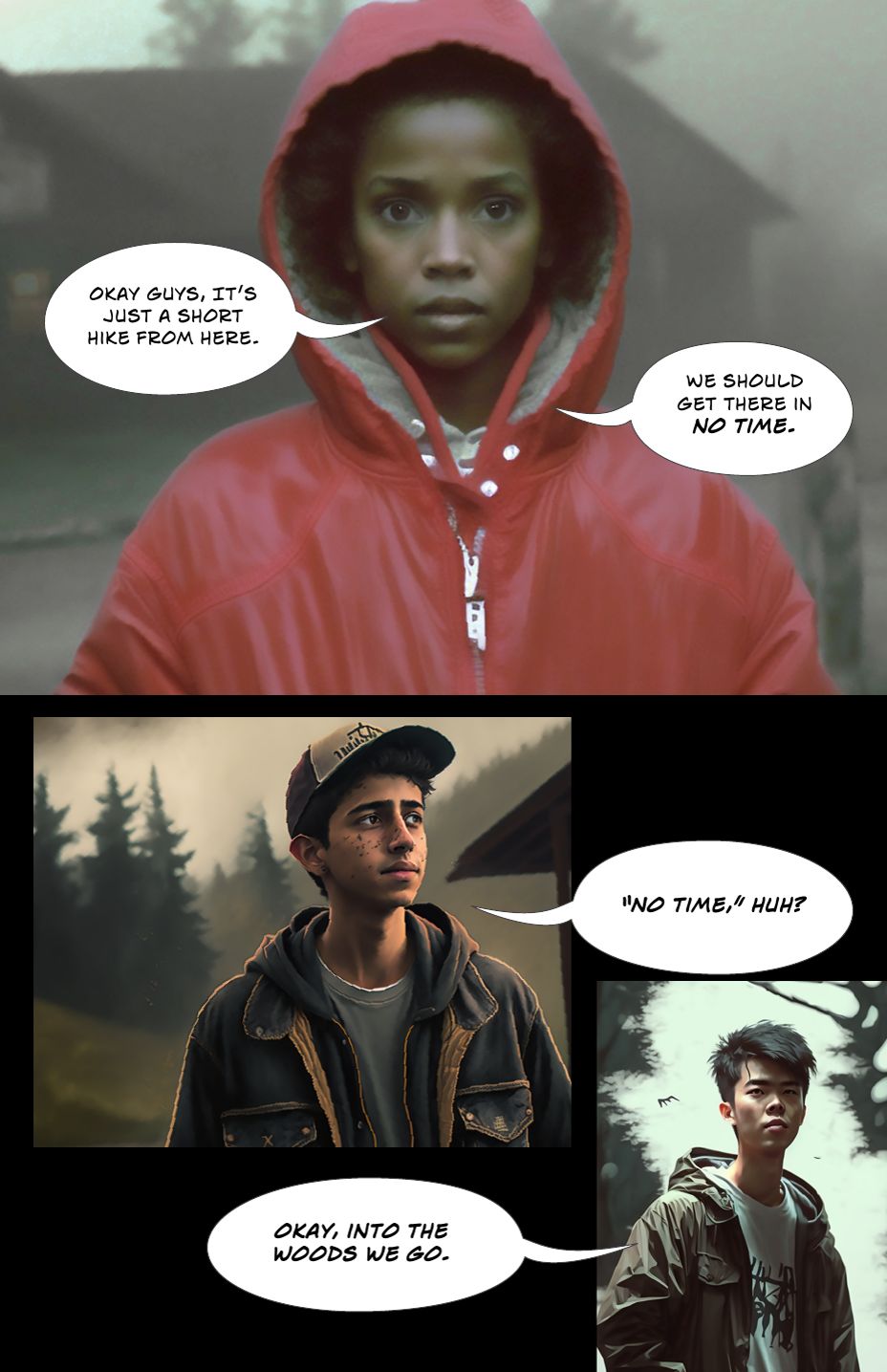
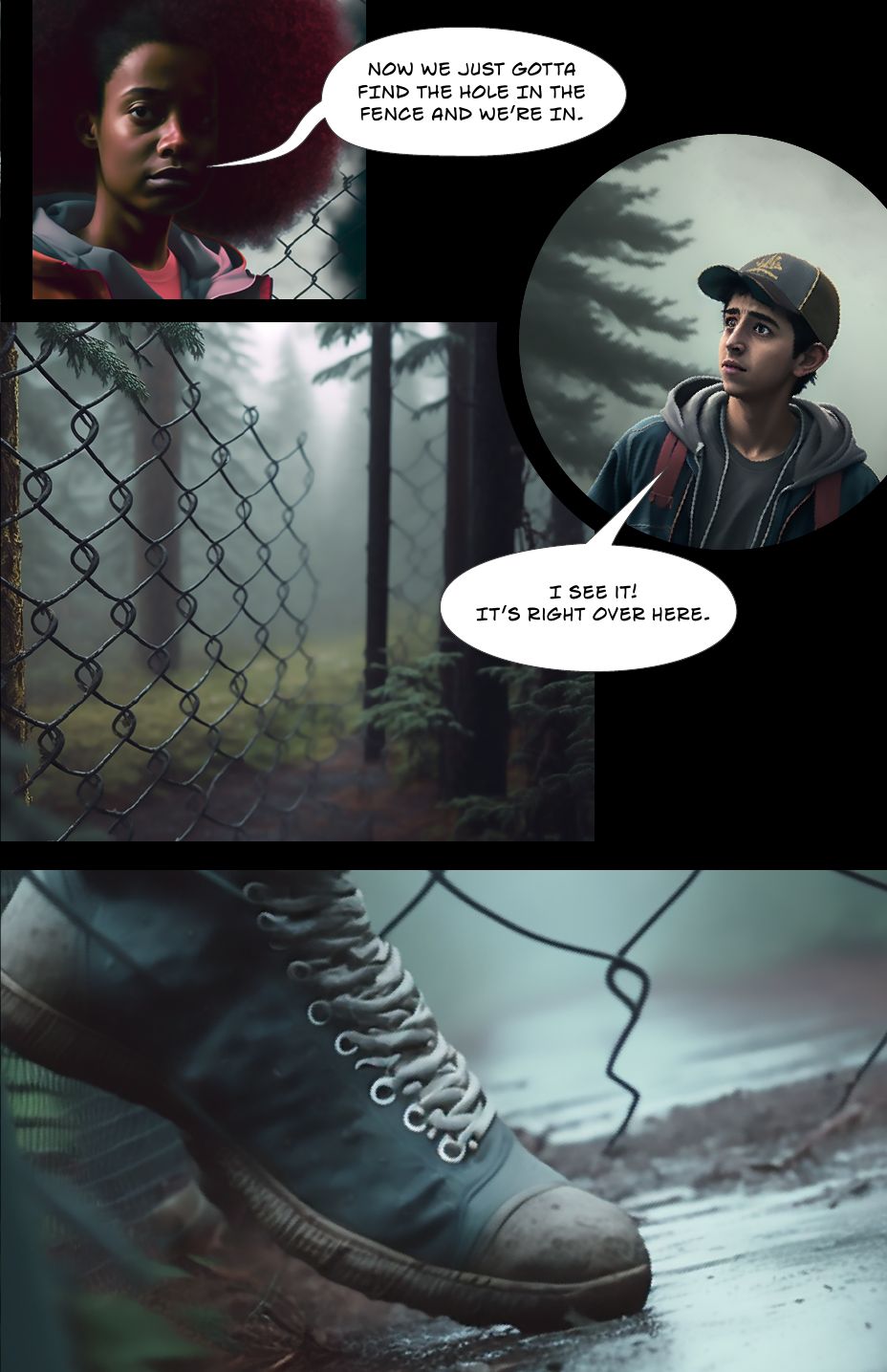
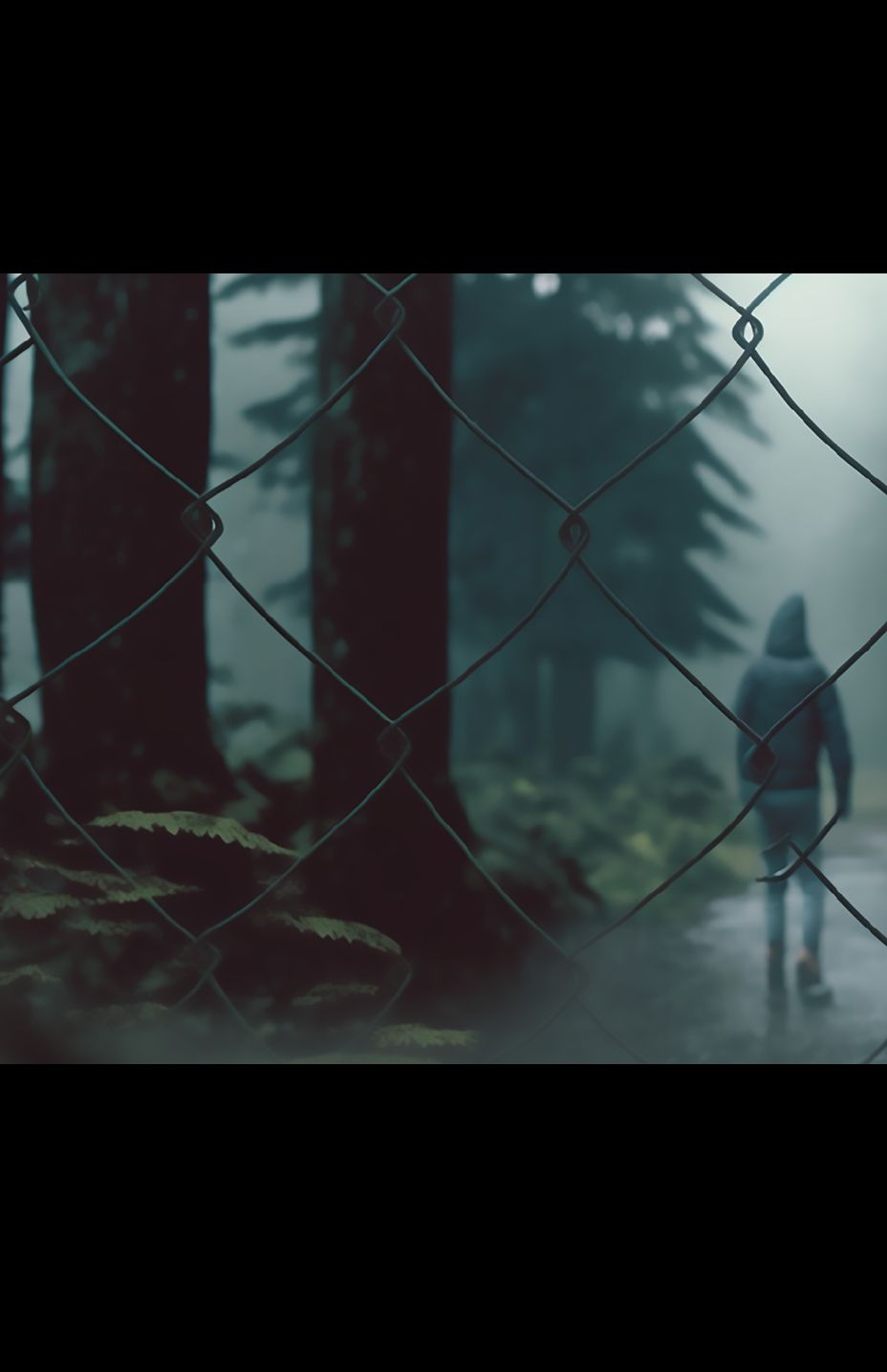
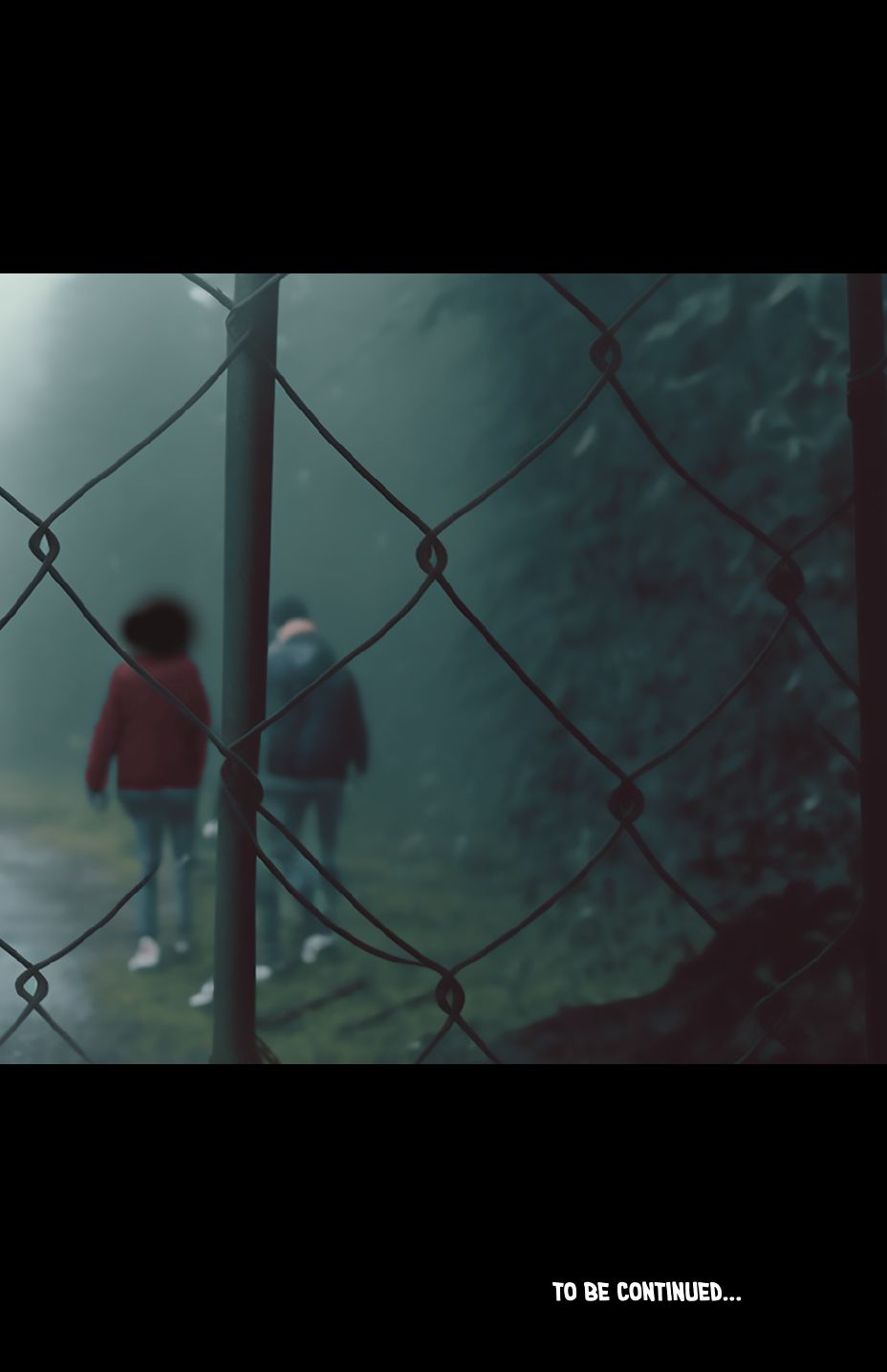
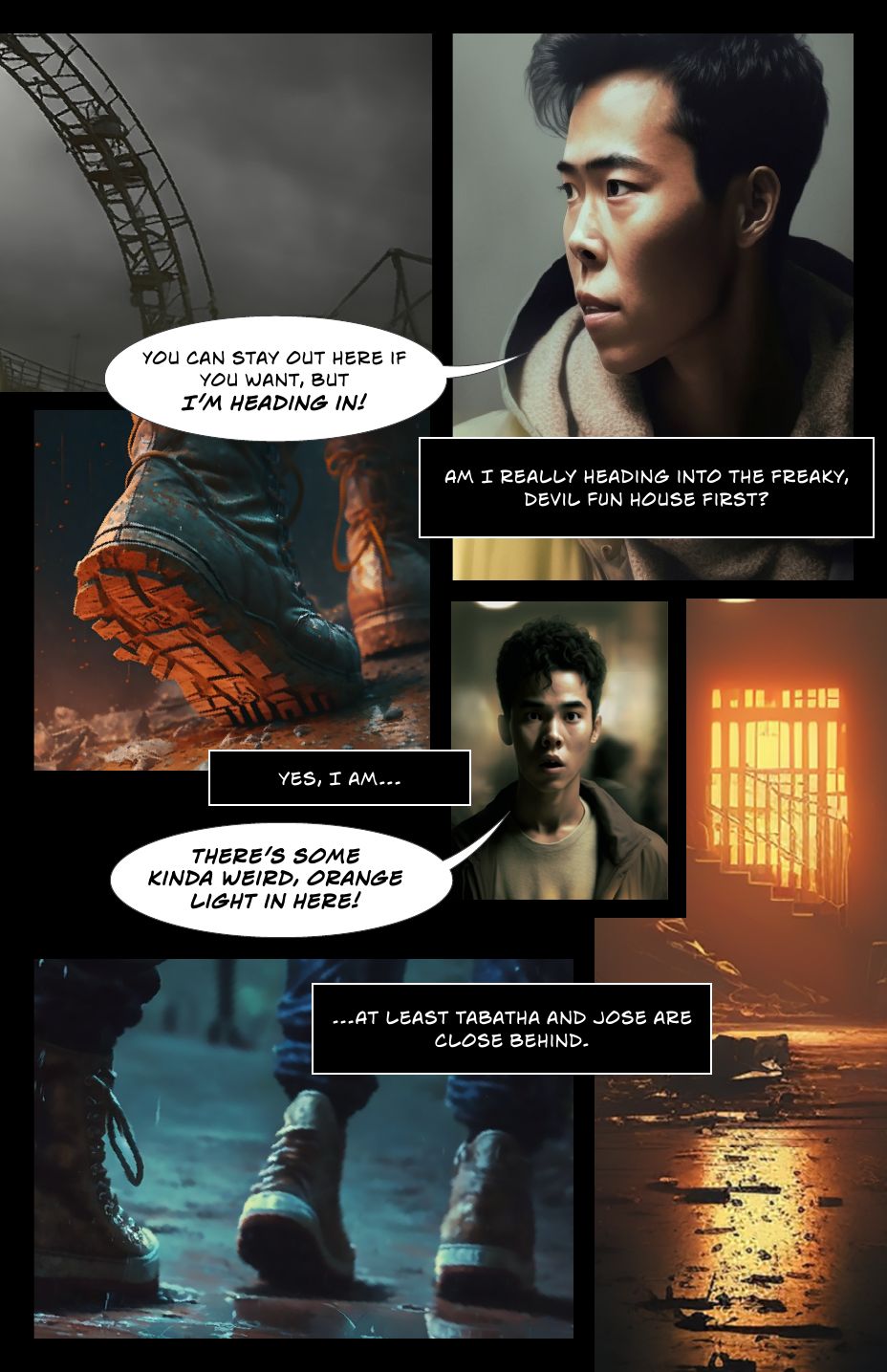
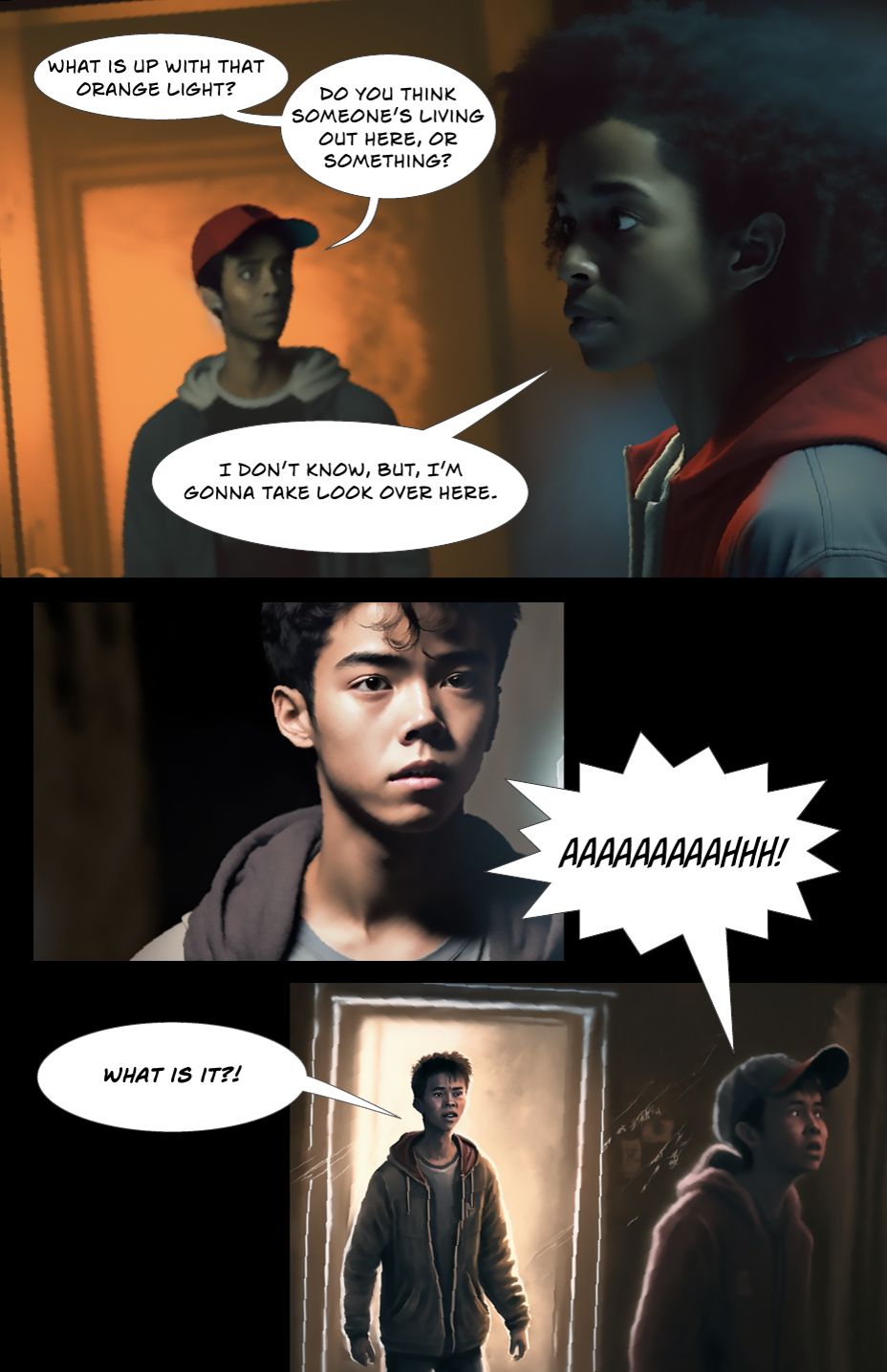
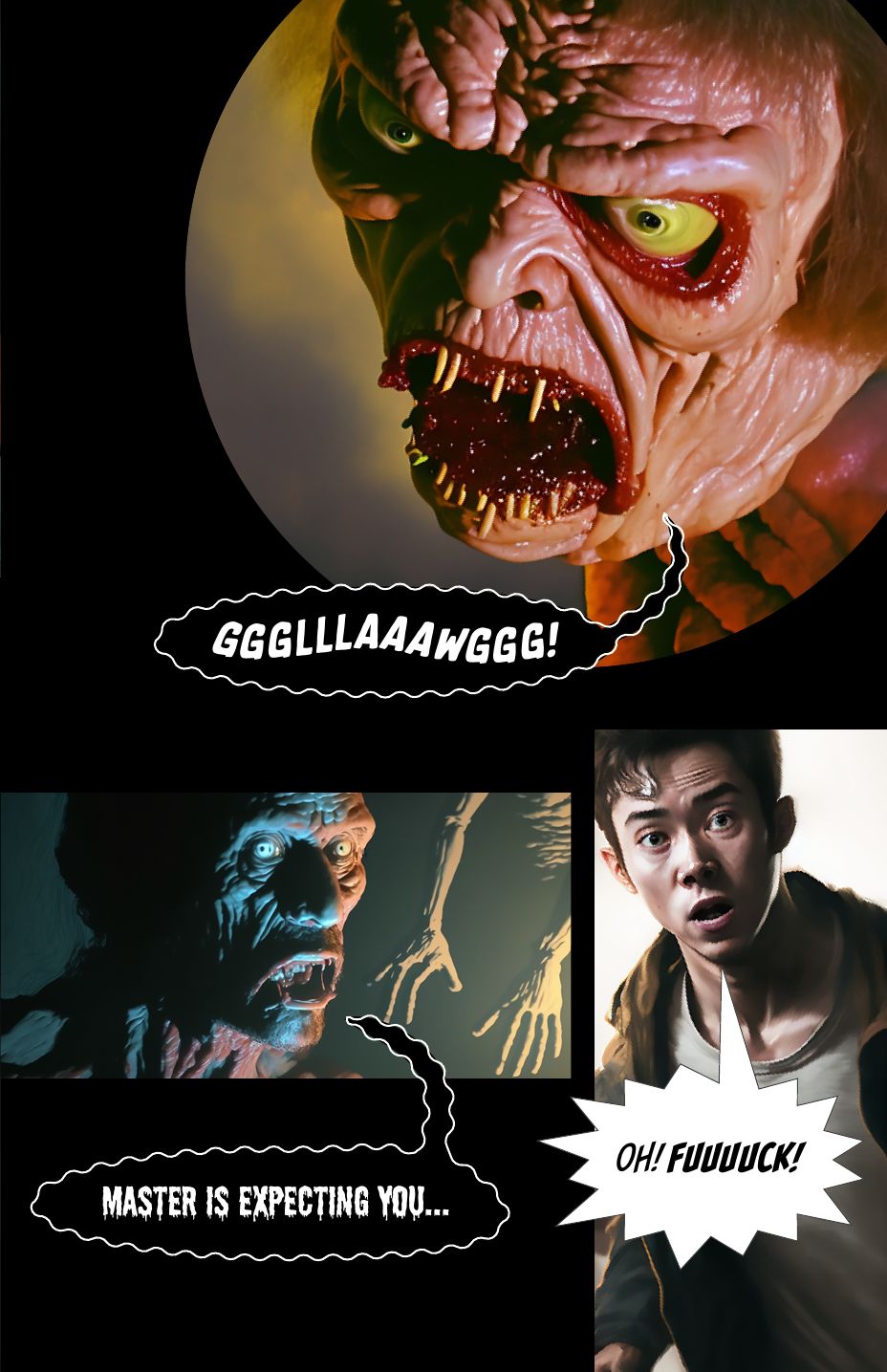
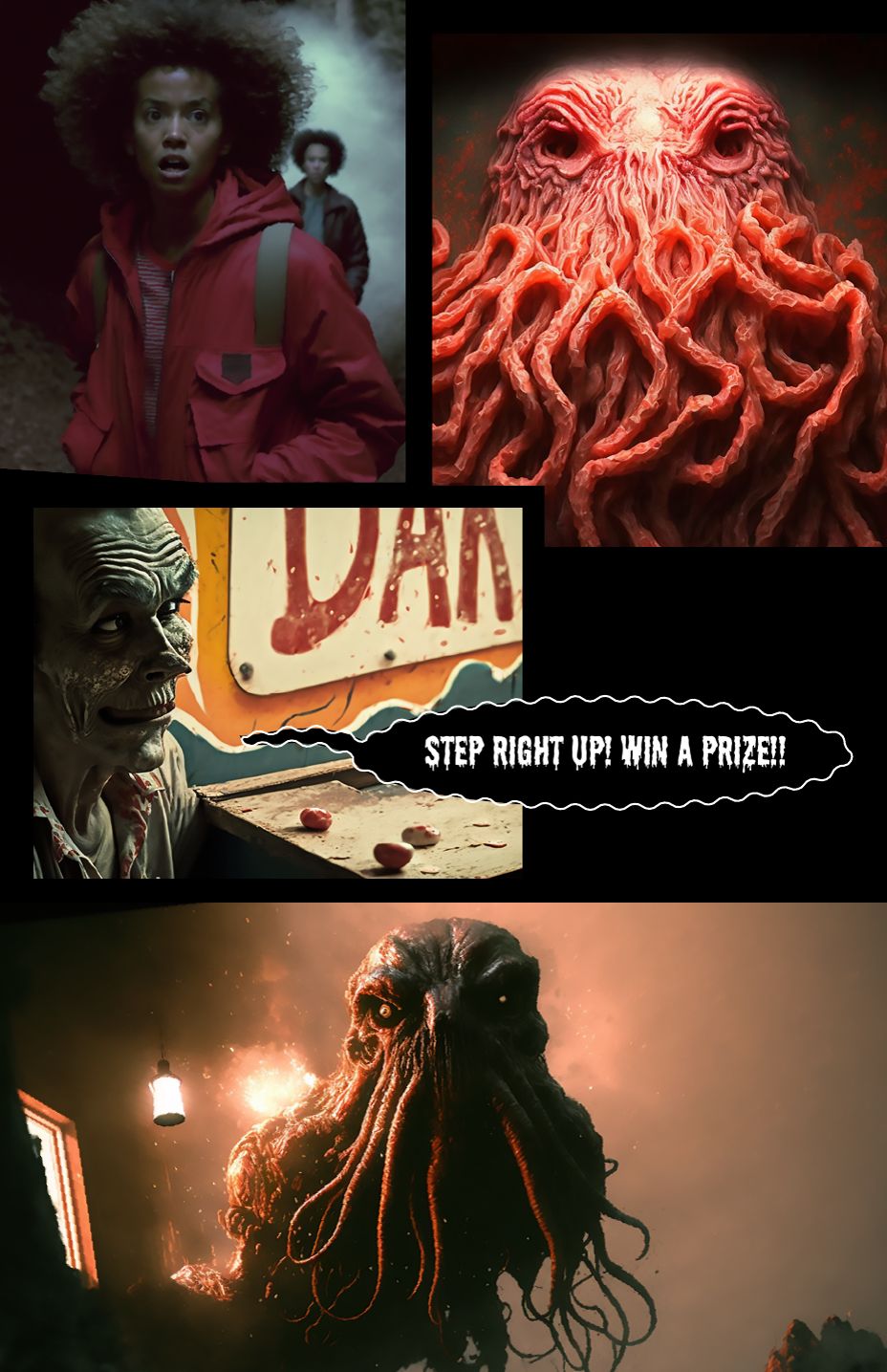
Cartooning Without Drawing
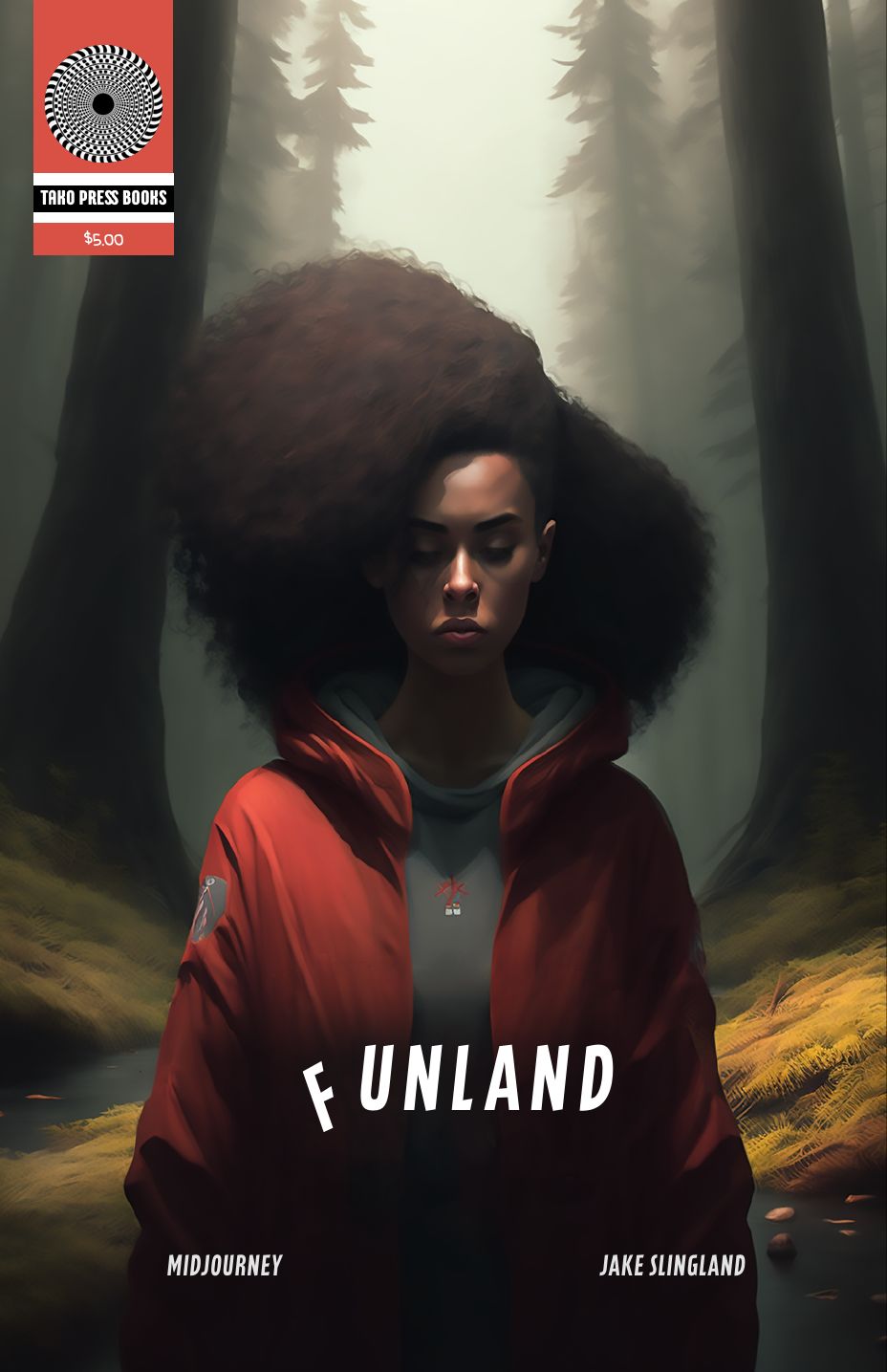
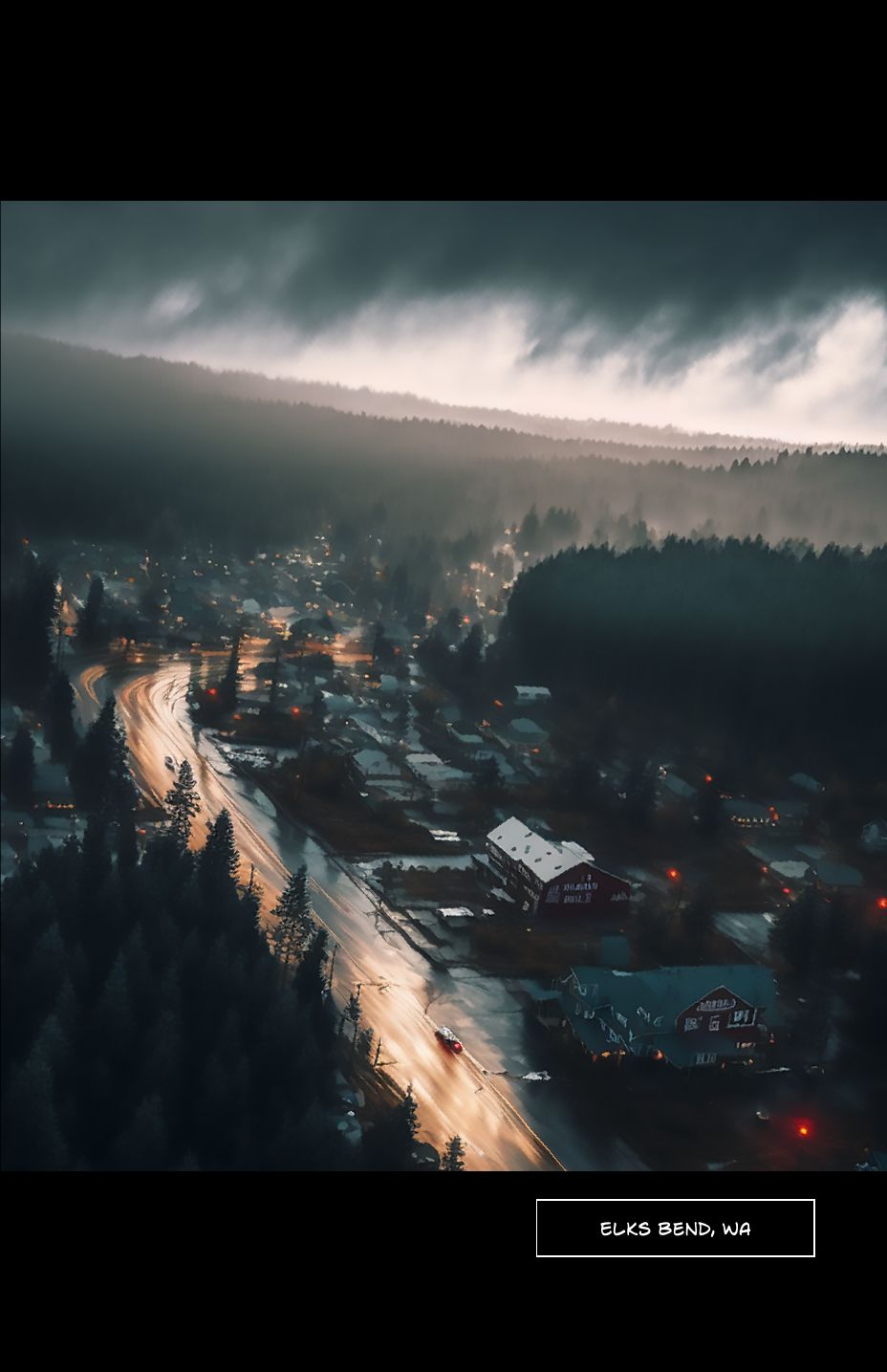
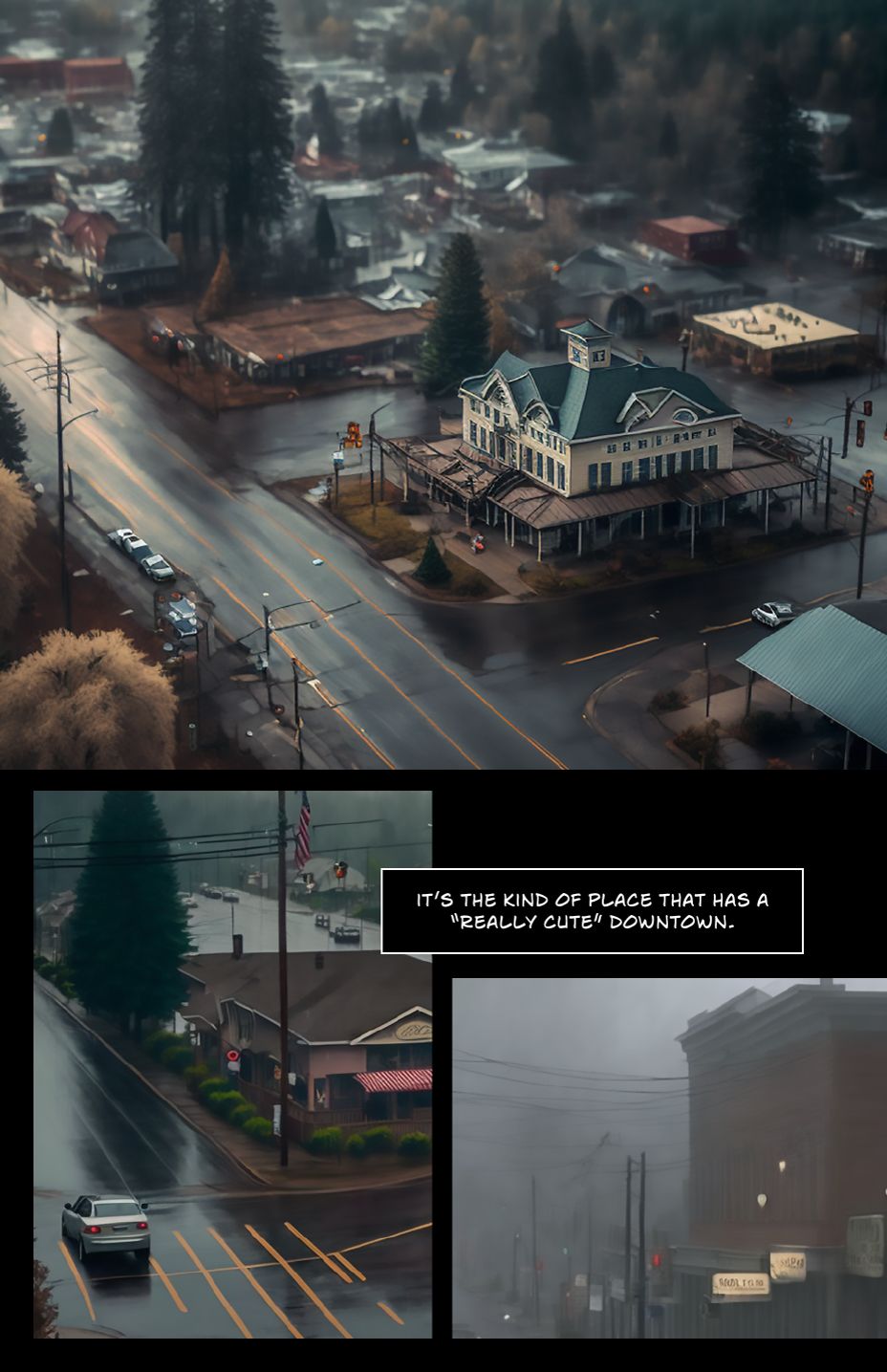
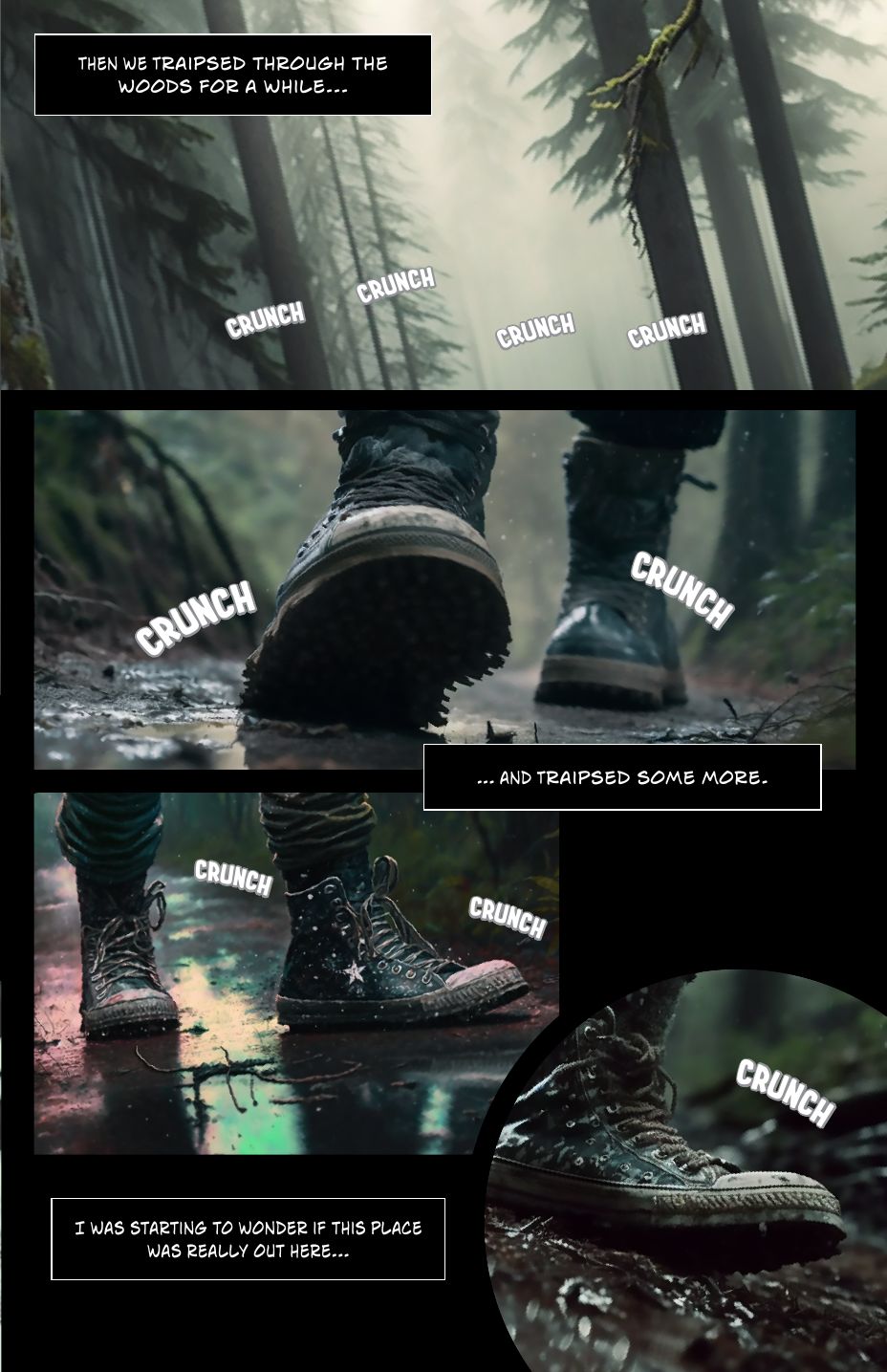
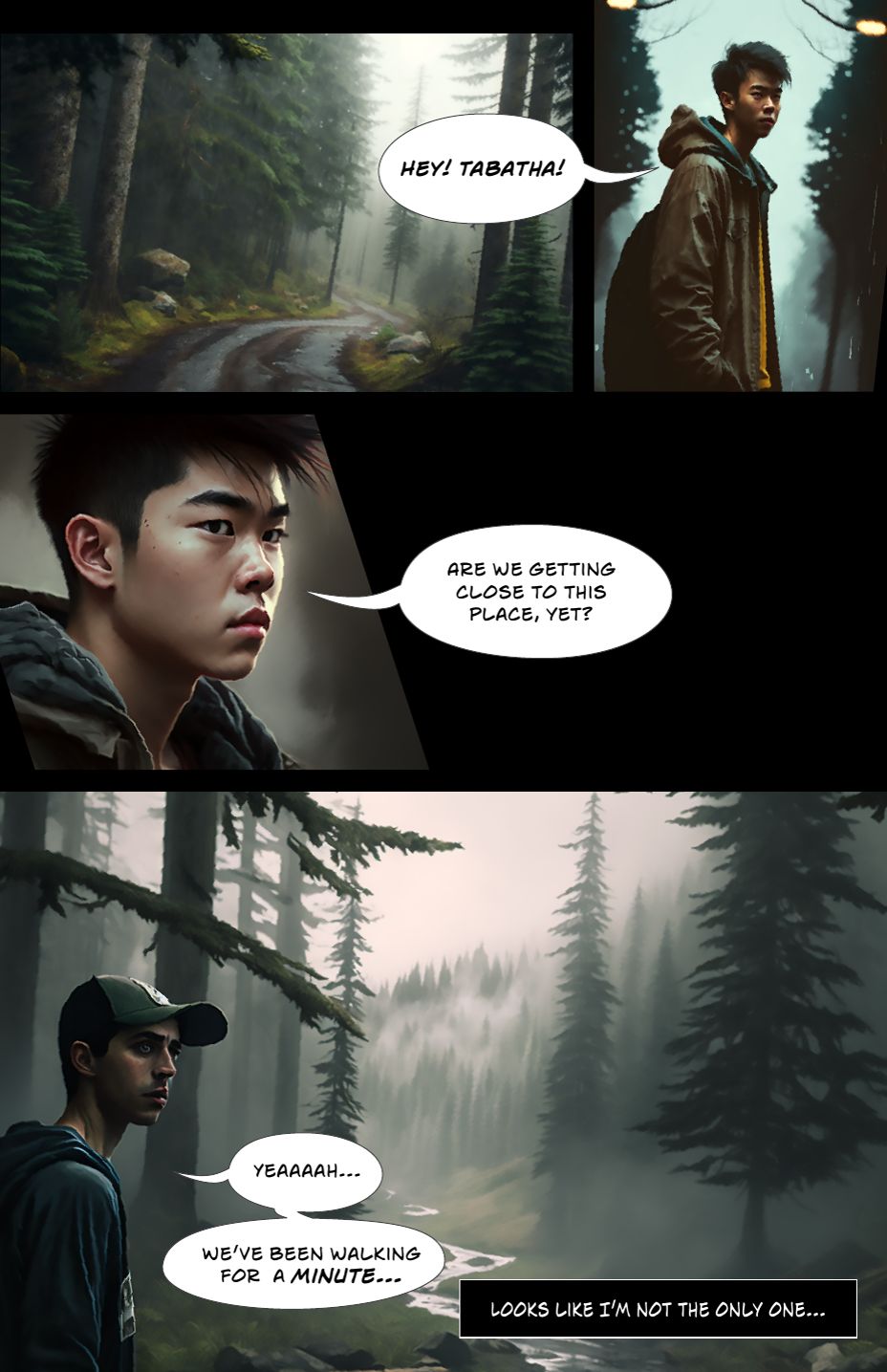
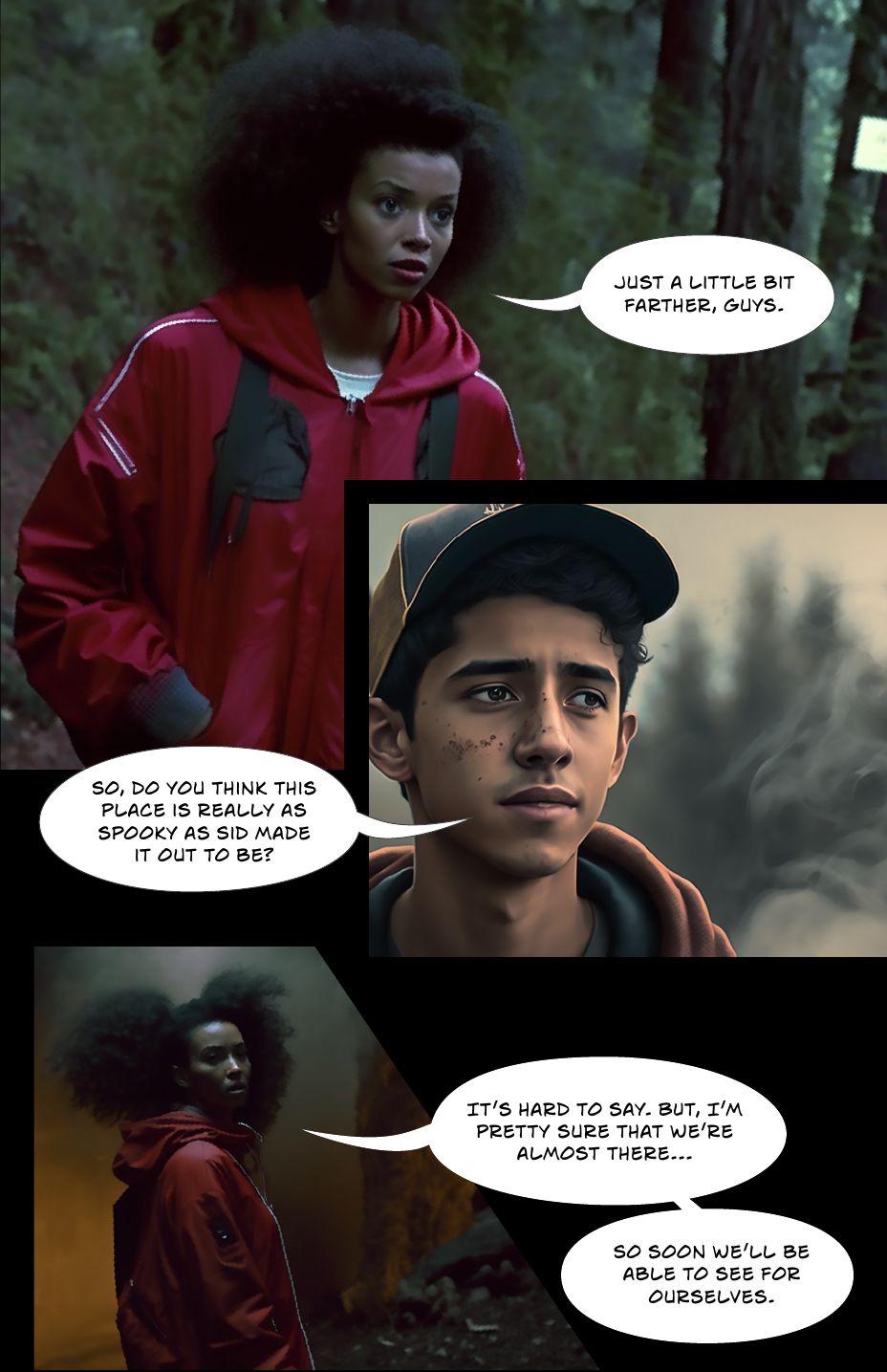
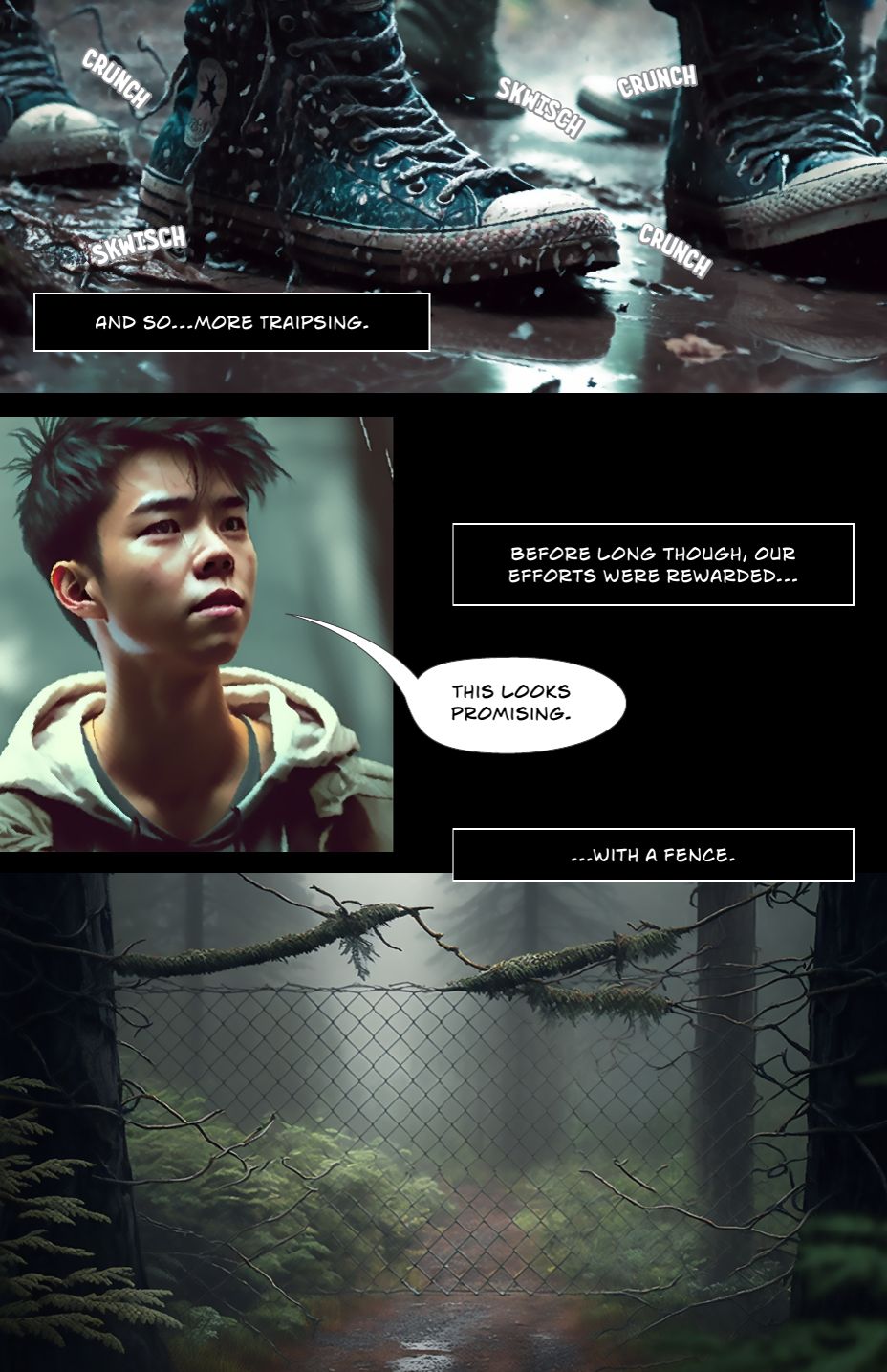
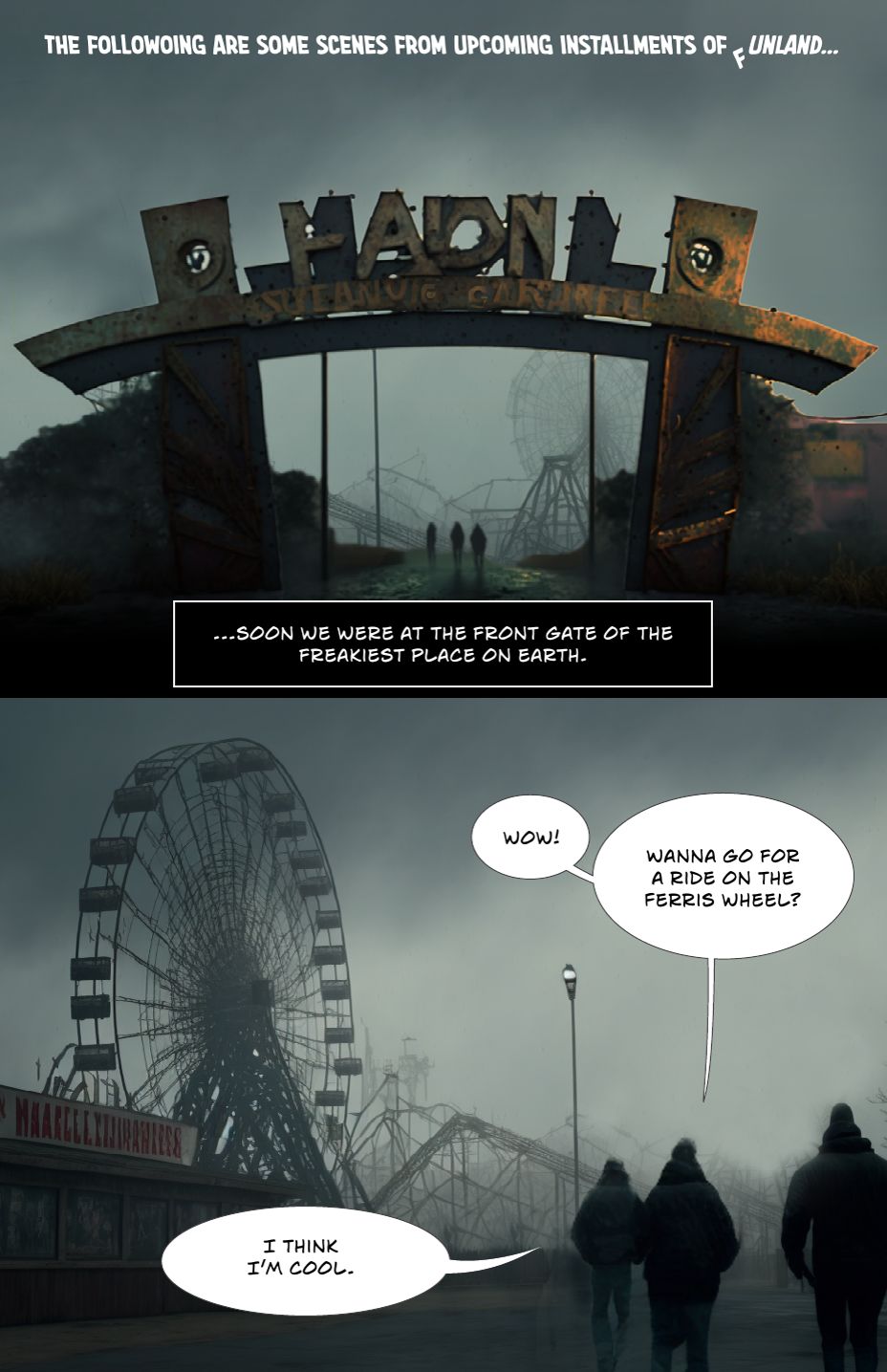
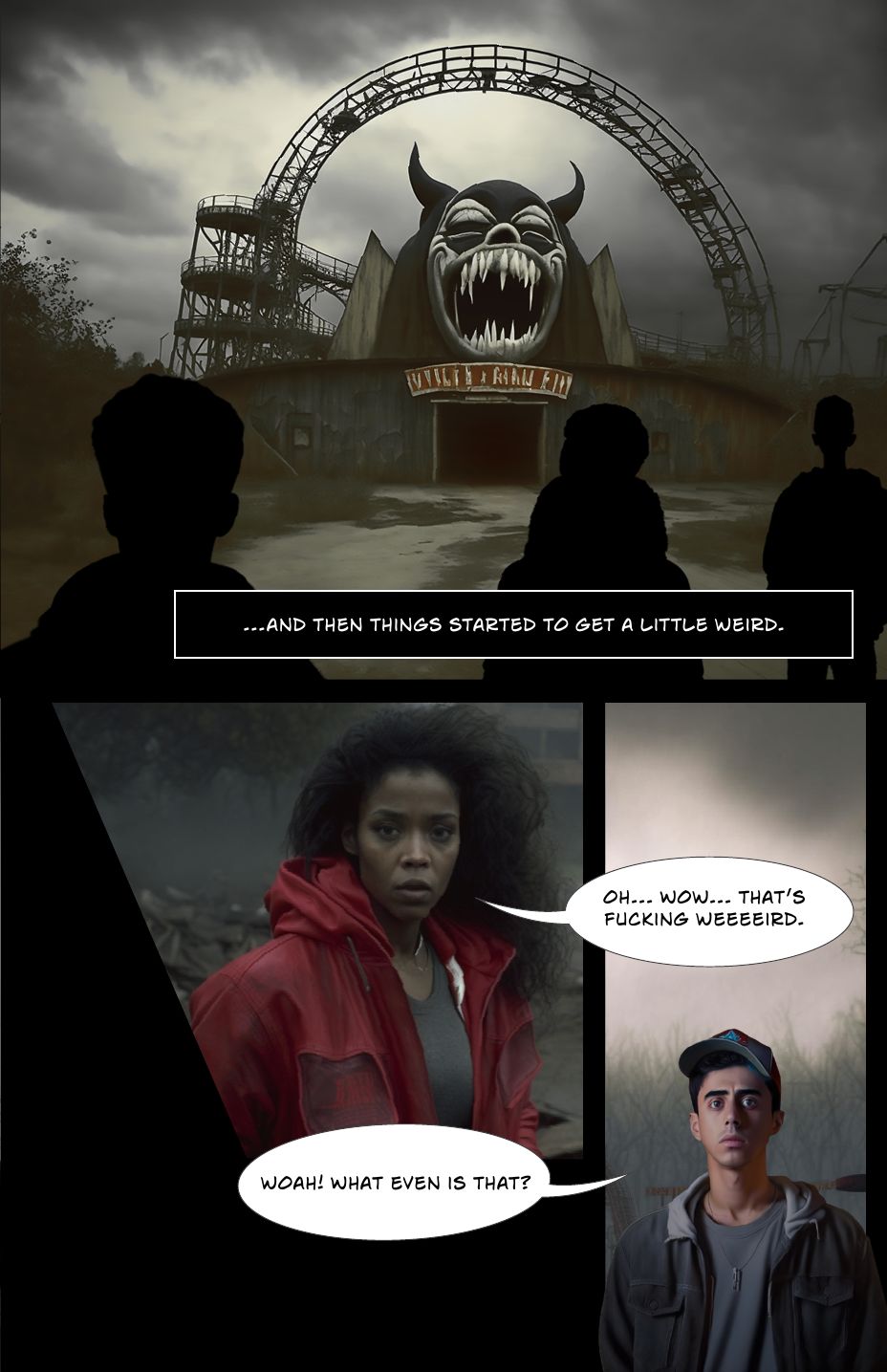
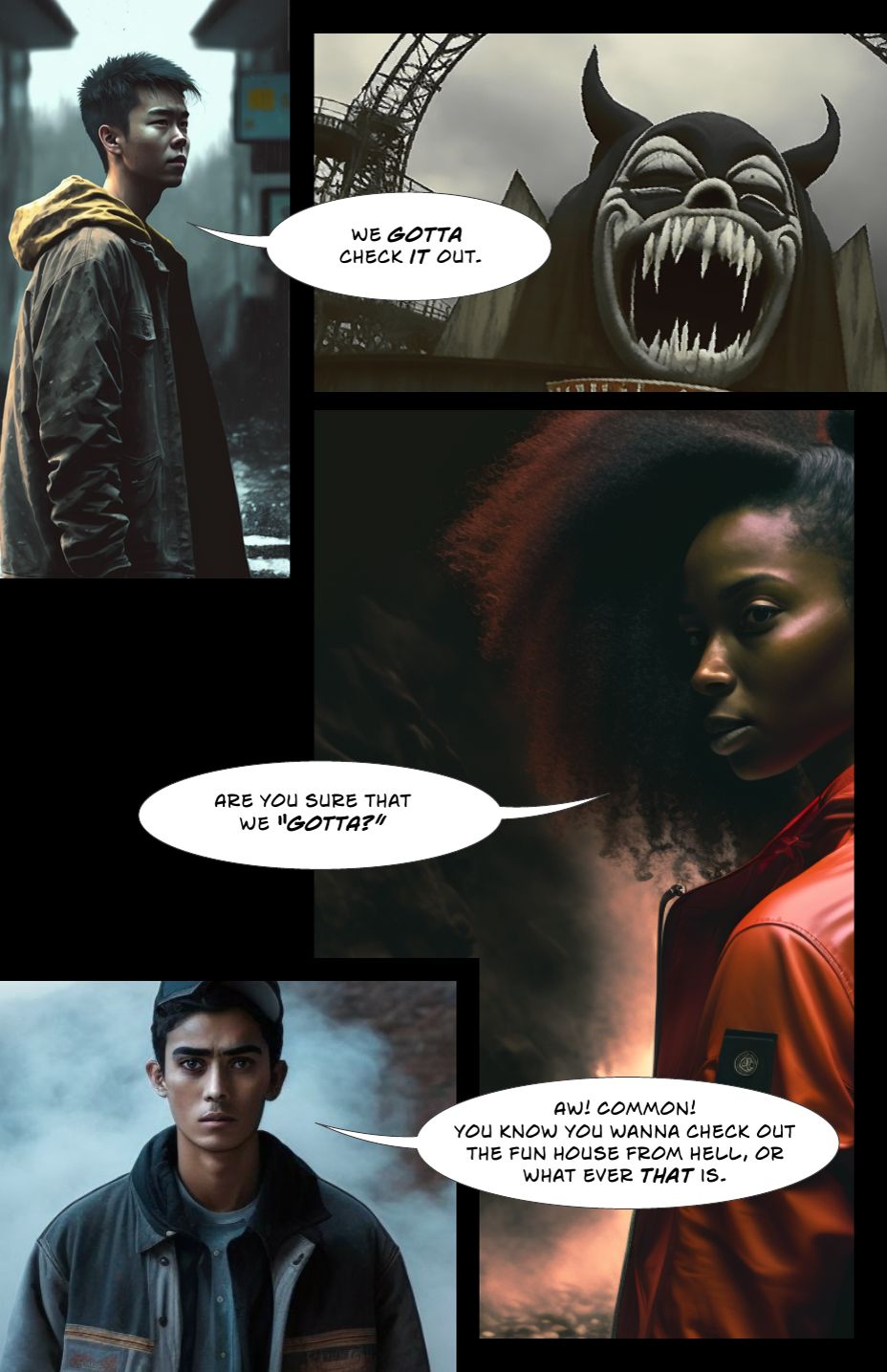
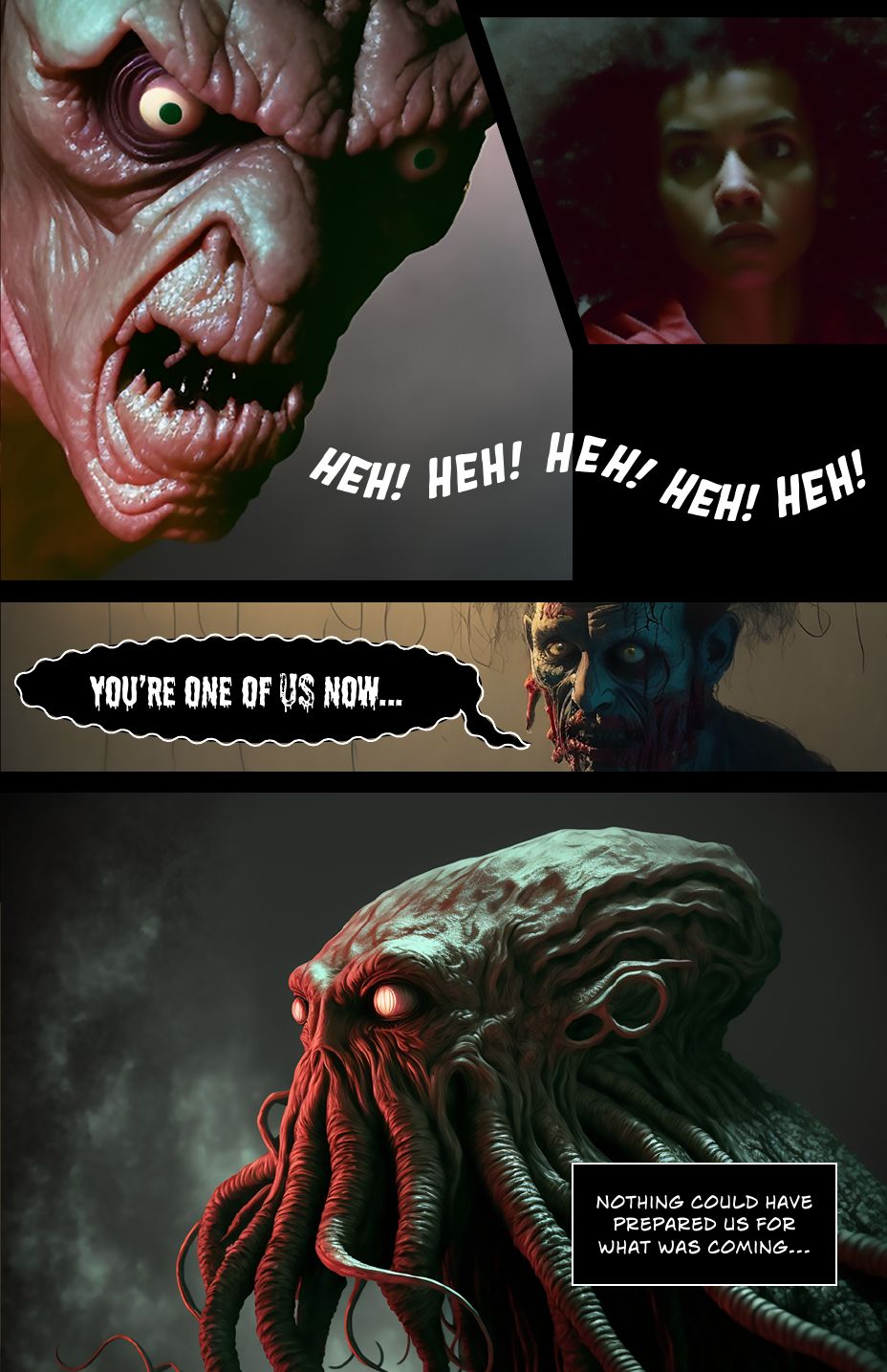
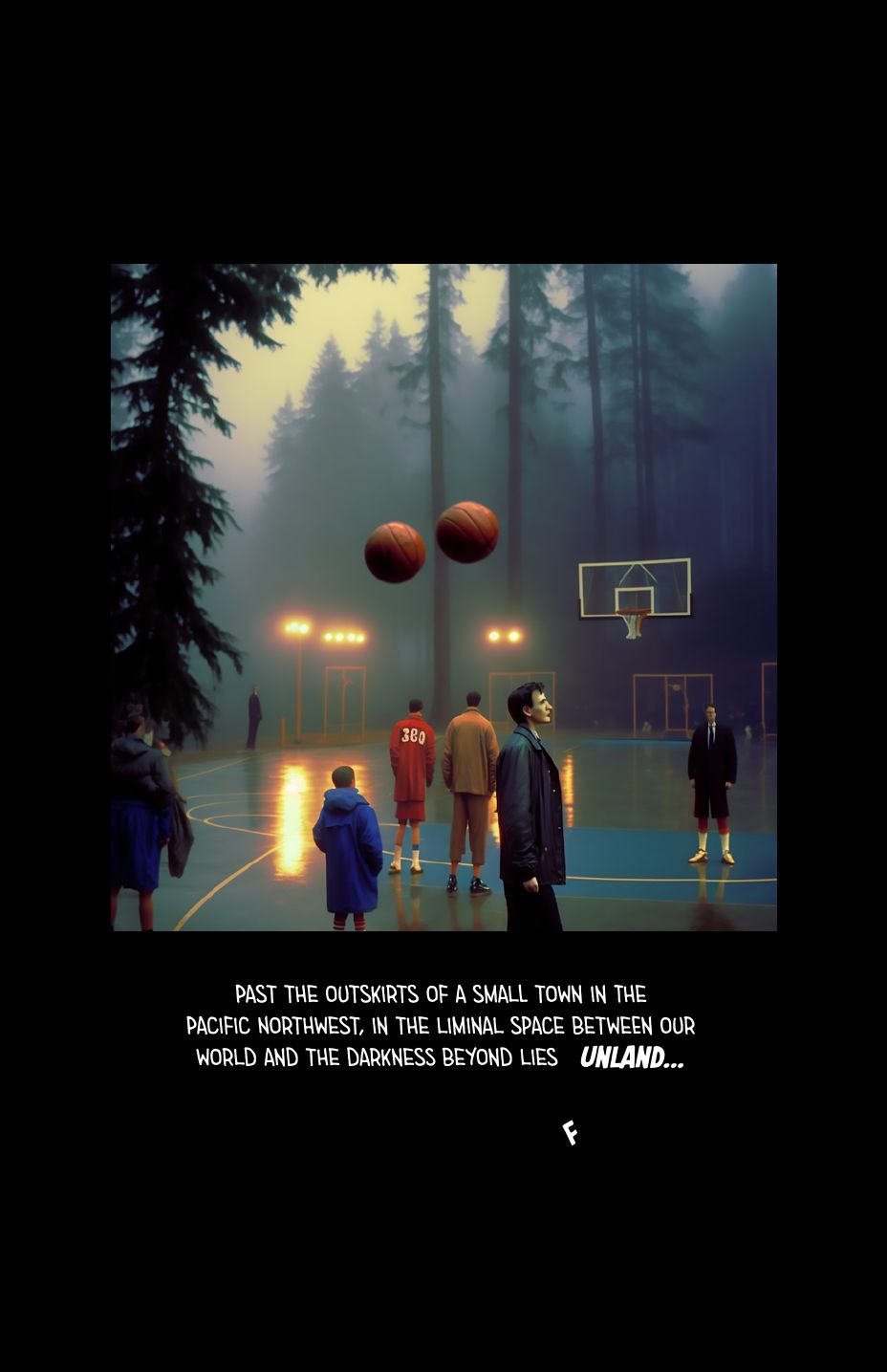
Inspired by an AI-generated Instagram project by illustrator and cartoonist Tim Molloy, a cinematic, surrealistic visual language became the goal. David Lynch — specifically Twin Peaks — the films of John Carpenter, and Stranger Things were the strongest references, often being name-dropped directly in prompts. Could Midjourney be used to create a comic that looked like it was created entirely from film/video stills?
With a visual direction selected, the next step was to understand prompt writing.
Consistency & Storytelling
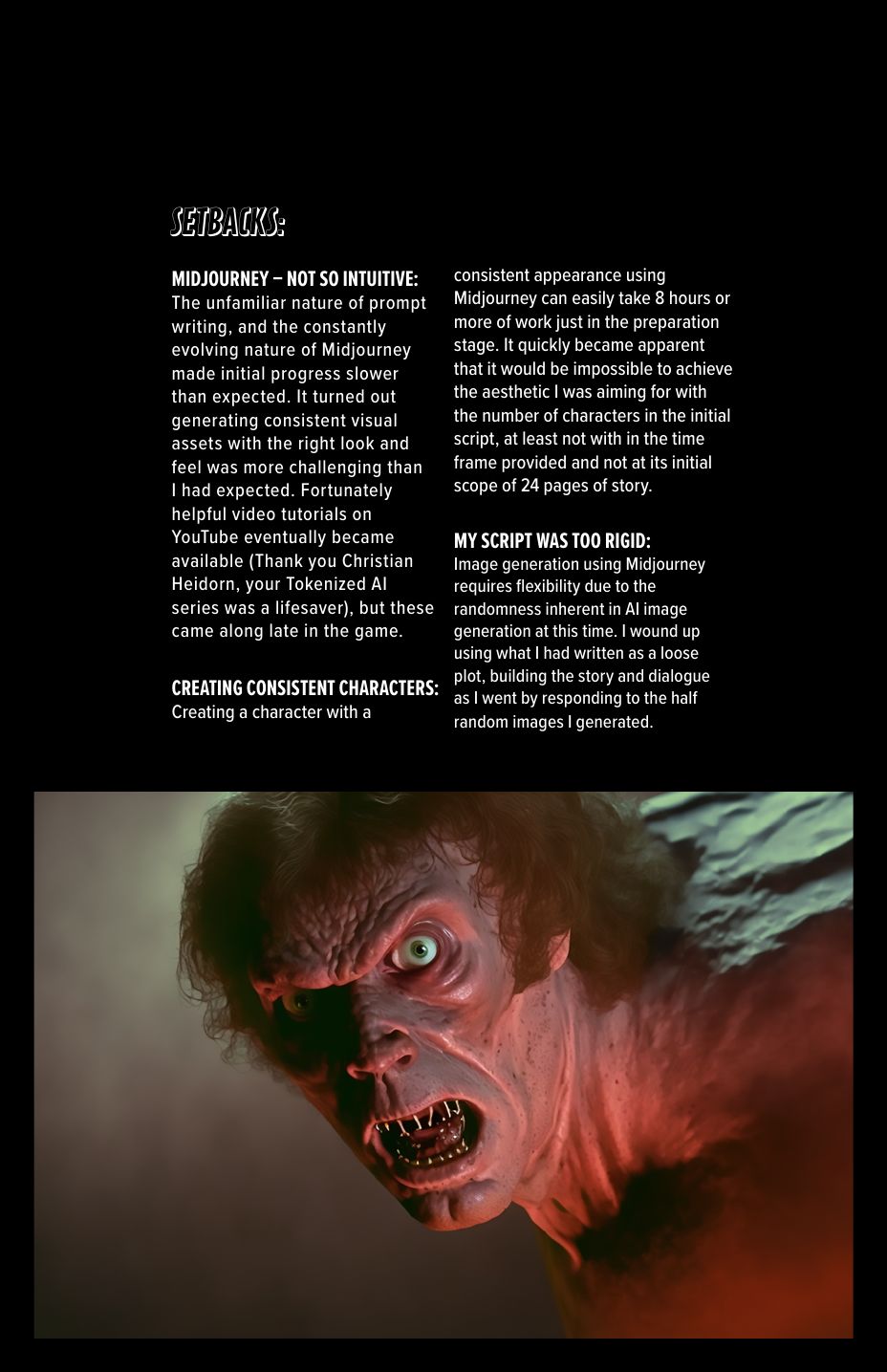
Midjourney is a genuinely difficult creative partner. Three obstacles forced real compromises. Solid constraints from the start leveled up the project from being purely exploratory to actually needing to produce a viable comic book, in print, by the deadline; between that, an unintuitive user experience, the mercurial nature of AI image generation in those early days, and a bloated script, real compromises were needed to get the project over the finish line on time.
Meeting the deadline required editing — five protagonists were cut down to three, and the script itself was abandoned for a loose storyline and dialogue, with all of the specific visual directions removed so that it could be adapted to whatever images Midjourney actually produced.
The page count came down too, from a planned 24 pages to a 12-page target. In the end, 17 story pages were produced using only visual assets from Midjourney.
What Worked, What Didn't
Eleven weeks with a genuinely unpredictable tool taught as much through what went wrong as what went right.
A hands-on understanding of Midjourney's capabilities and limits, along with a heightened understanding of AI integration, workflow, and prompt generation, along with a handful of genuinely captivating images. This project also sharpened my editing, art direction, and project-management skills — 2,262 generated images sorted into per-character Discord channels, with a file system that kept every effective prompt traceable.
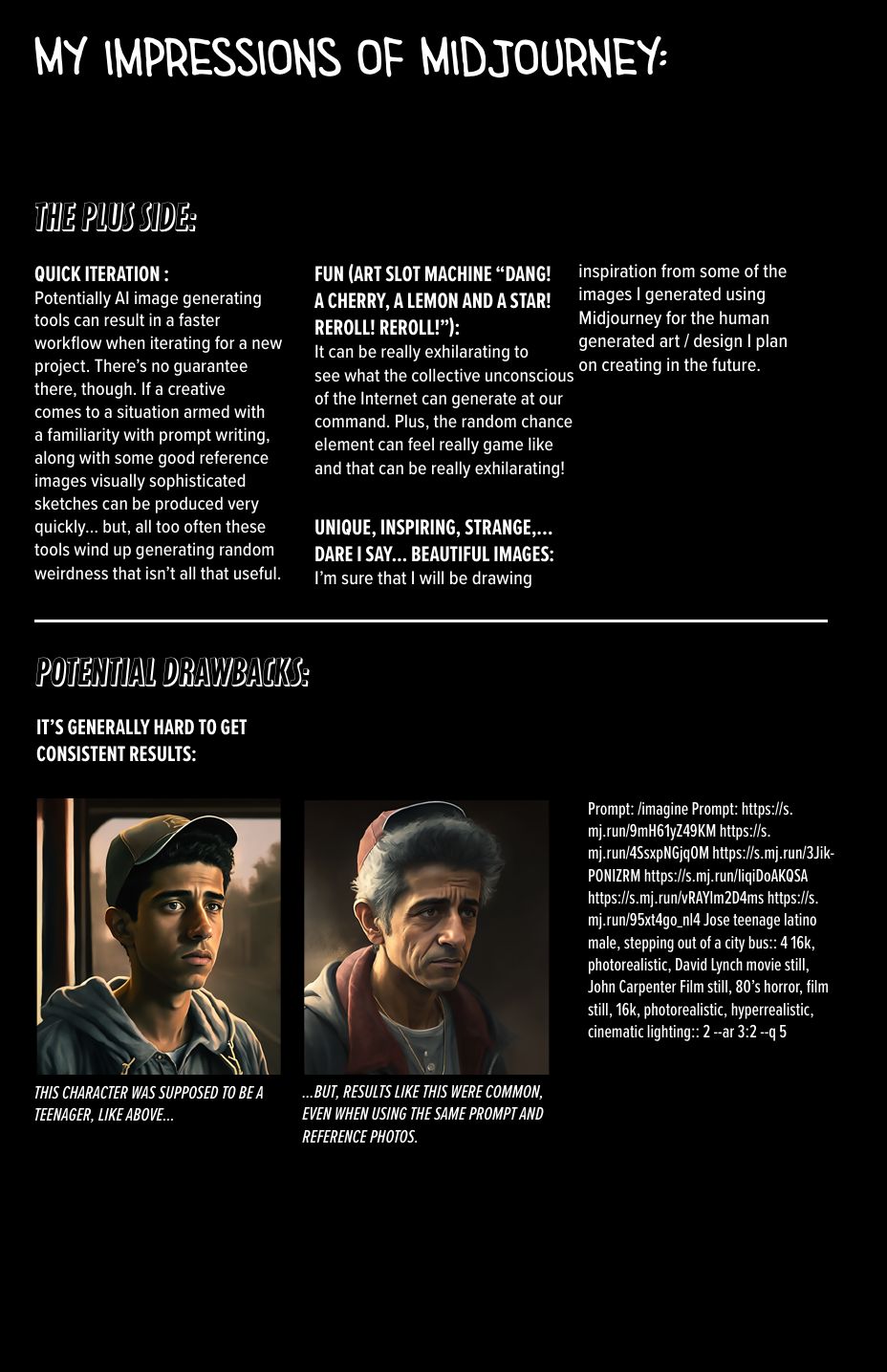
The level of visual sophistication achievable using AI image generators at that time was not up to the task of creating consistently cinematic images. Unfortunately, generating this was less like working with an art department or cinematographers than using an art slot machine — a constant, tempting drain on time spent pulling the lever for one more perfect image.
Problematic Image Generation
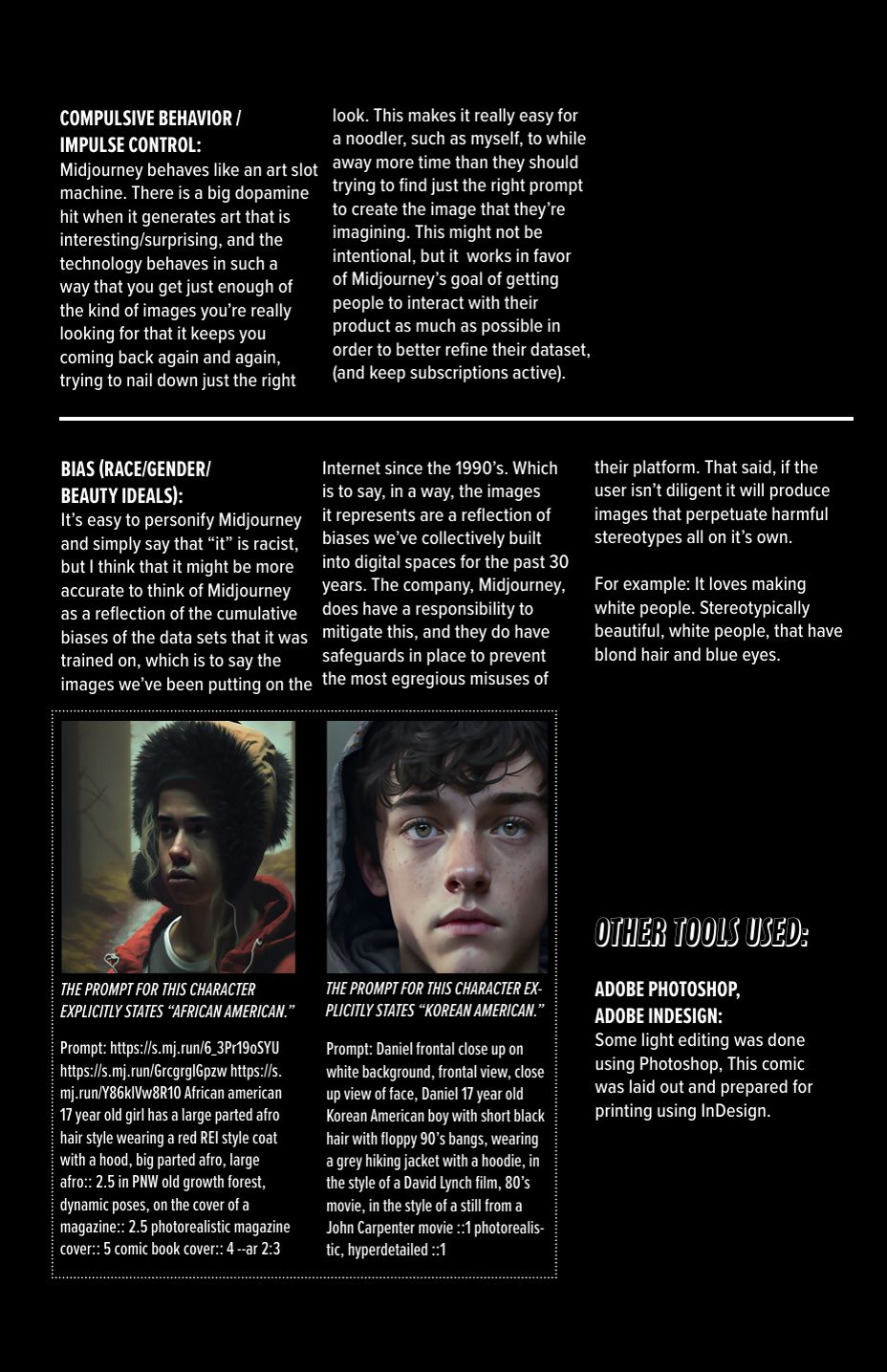
It's tempting to call Midjourney racist or sexist outright — but it's more accurate to call it a mirror. It reflects three decades of bias built into the images we've collectively uploaded to the internet. Its creators have added real safeguards, but without a diligent user, it will still create a non-insignificant number of potentially harmful images.
New Utility New Potential
The Future Is Now
A genuinely novel experience — AI image generation marks a watershed moment, for better or worse, in how humans create images. It will be some time before the impact of this new technology is fully understood. In the relatively short time since this project was completed, there has already been a significant shift in how people relate to digital images. AI-generated images have become practically ubiquitous in advertising, providing a new, flexible, cheaper, and more democratized source of stock images, but this has also meant the rise of AI slop and potentially the end of being able to trust digital images of any kind.
AI image generation tools do not mean the end of all creative jobs. The results can be impressive, but the technology is still too unpredictable — getting real, usable, visually sophisticated output from text-to-image generation products still requires humans with aesthetic knowledge who can communicate their visual ideas effectively using prompts, and the taste to be able to discern which generated images are worth using and which are slop.
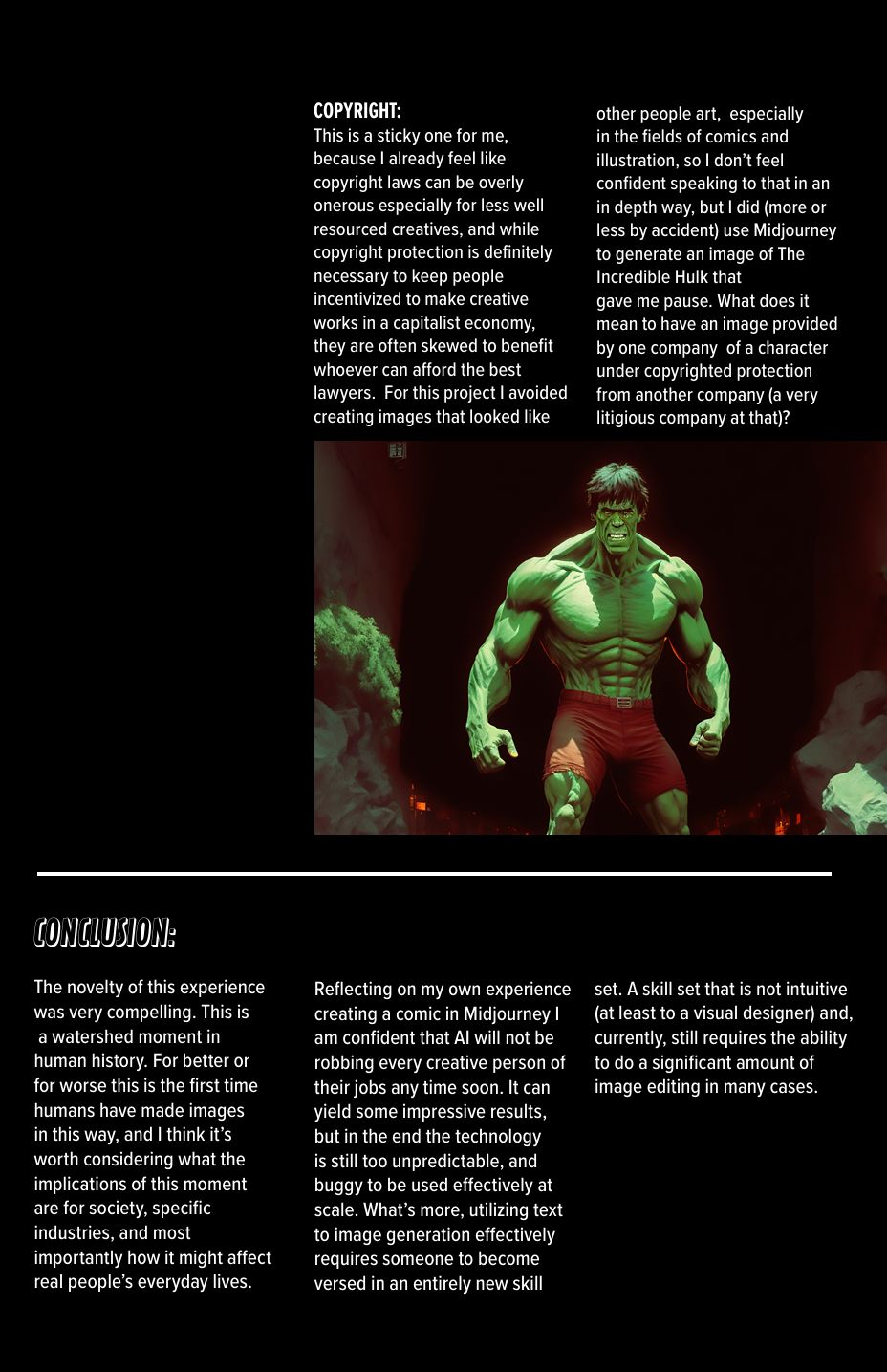
Finishing this comic required real compromise — adapting the story to what Midjourney could actually produce. With the same eleven weeks spent hand-drawing instead, a skilled cartoonist could have told the full story that was originally written, twice as long and with a full cast of characters. The goal was to create a comic book that read as photography rather than illustration, in part to create something unique using this emergent technology, but also because of the real concern about how tools like Midjourney scraped artists’ images for their data sets used to train their models, without permission or compensation, and along with that, the potential to produce cheap imitations of other artists' works.
Midjourney Version 4 could only land a convincing photorealistic image roughly one time in five, if that — so most of what made it into the book still leans illustrative rather than photographic, short of the original cinematic target. Despite all of AI image generation's strengths, it's still human direction, planning, ambition, nuance, taste, and knowing when to push and when to let go that get a project like this to the finish line.